
Concrete is made of four main ingredients: cement, aggregates (sand and gravel or crushed stone), water, and optional admixtures. Cement acts as the binder, water activates the chemical reaction, and aggregates provide strength and structure. The exact mixture depends on the required strength, durability, and purpose of the concrete.
Concrete is one of the most widely used construction materials in the world. It is found in buildings, roads, bridges, driveways, foundations, patios, and countless other structures that support modern life. Its popularity comes from its impressive strength, versatility, and ability to withstand different environmental conditions.
But have you ever wondered what is concrete made of?
Although concrete may appear like a simple grey material, it is actually a carefully balanced mixture of several ingredients. Each component plays an important role in determining the concrete’s strength, durability, appearance, and performance.
Understanding the materials that make up concrete helps explain why it remains one of the most reliable choices for construction projects.
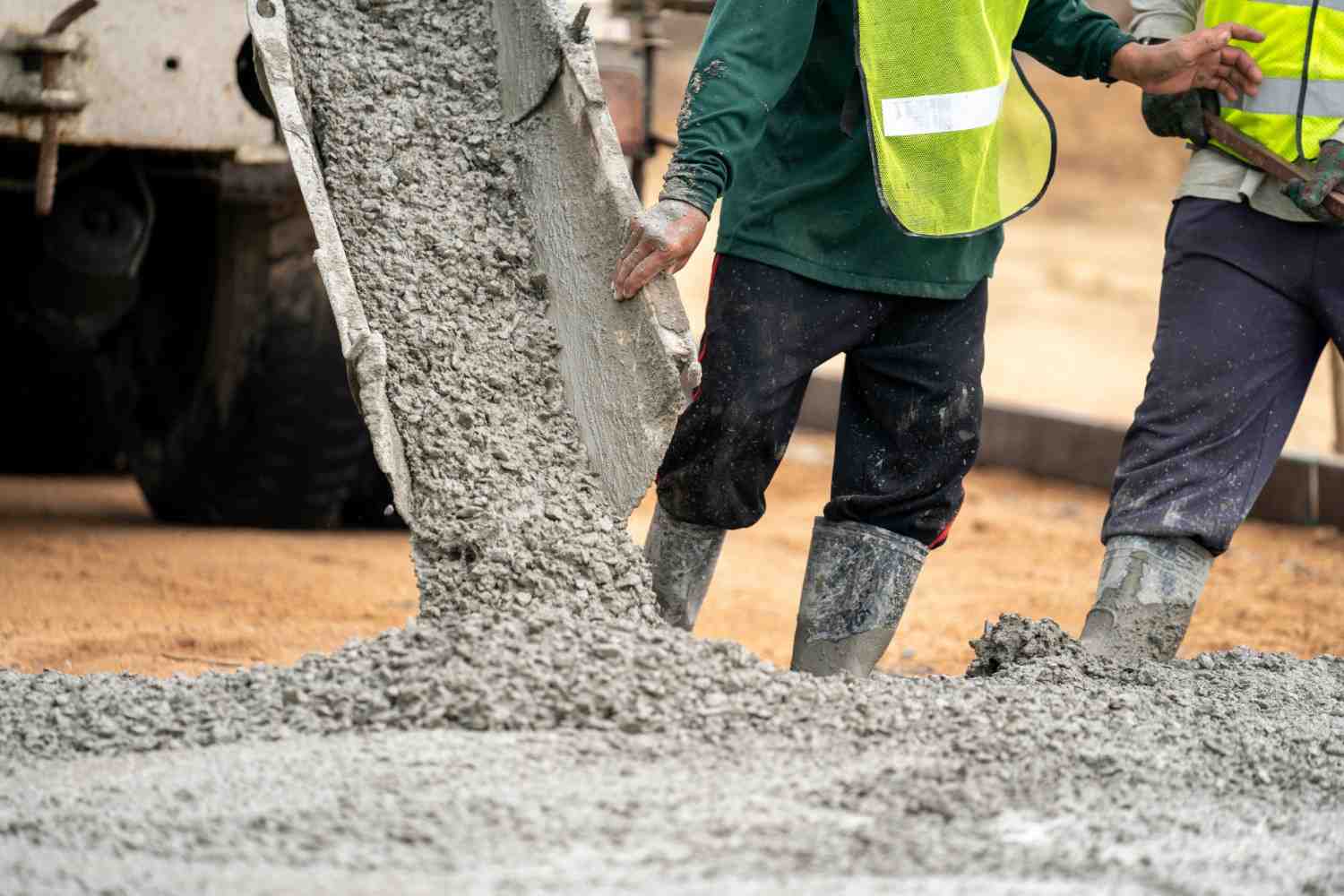
Concrete is primarily made from four main ingredients:
When these materials are combined in the correct proportions, they create a chemical reaction that transforms the mixture from a wet paste into a strong, solid material.
The quality and ratio of each ingredient directly affect the final performance of the concrete.
Cement is one of the most important components of concrete because it acts as the binding agent that holds everything together.
The most commonly used type is Portland cement, which is made by heating limestone and other minerals at extremely high temperatures. This process creates a fine powder that reacts with water to form a strong paste.
When cement comes into contact with water, a process called hydration begins. During hydration, the cement particles chemically react and form compounds that create a hard structure around the other materials.
Although cement is only one part of the mixture, it plays a crucial role in giving concrete its strength and durability.
Aggregates make up the largest portion of a concrete mixture, usually accounting for around 60% to 75% of the total volume. They provide structure, stability, and strength while reducing the amount of cement required.
Aggregates are generally divided into two categories:
Fine aggregates are usually natural sand or manufactured sand. They fill the smaller gaps between larger particles and help create a smoother, more workable mixture.
The quality of the sand used can affect the concrete’s texture, strength, and overall performance.
Coarse aggregates include materials such as gravel, crushed stone, or recycled concrete. These larger particles provide strength and help the concrete withstand heavy loads.
The size and type of coarse aggregate used depend on the specific requirements of the project.
For example, large structural foundations may require stronger aggregates compared with smaller residential pathways.
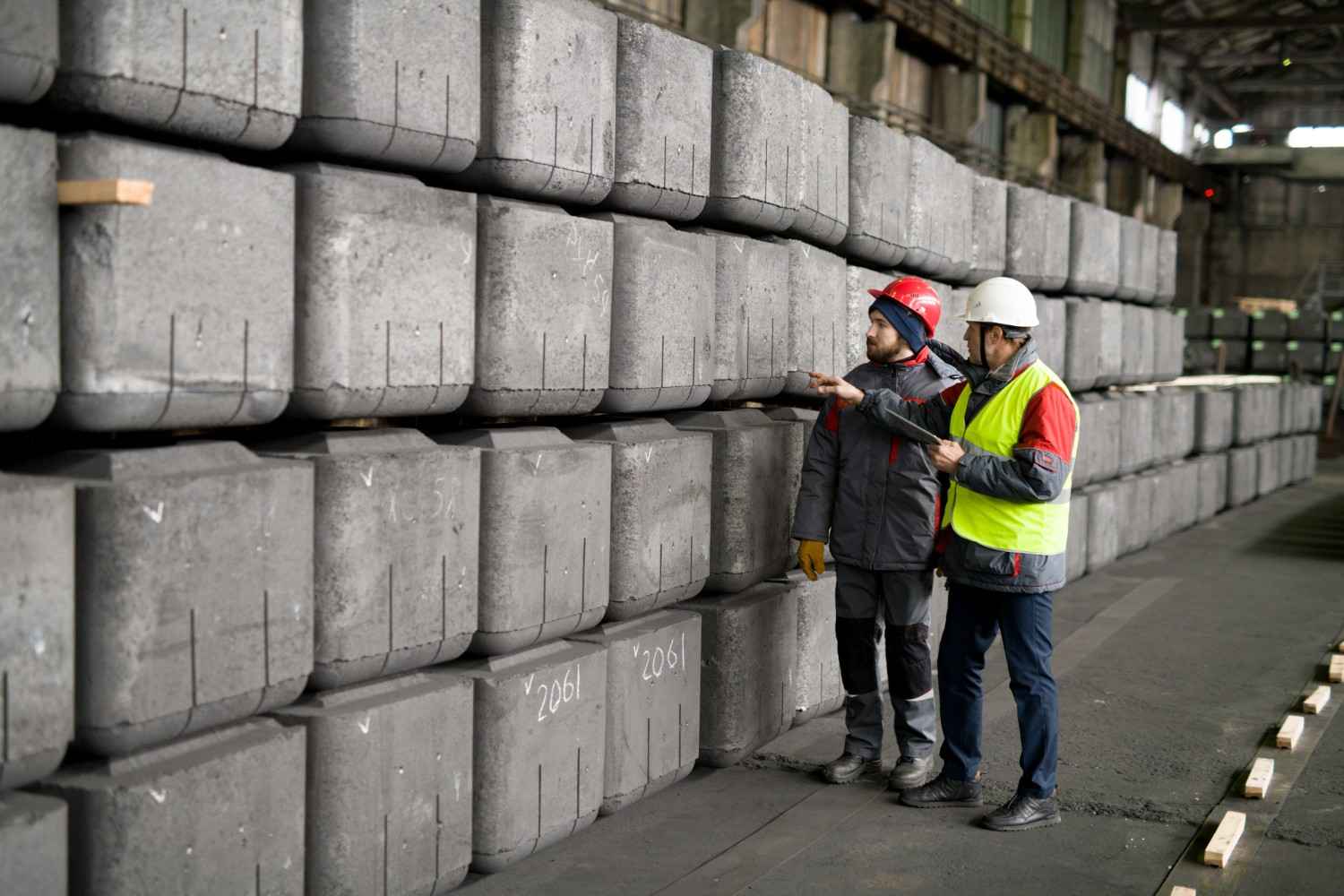
Water is another key ingredient in concrete because it activates the cement and starts the hydration process.
The amount of water used must be carefully controlled. Too little water can make concrete difficult to mix and place, while too much water can weaken the final structure.
The water-to-cement ratio is one of the most important factors affecting concrete strength. A lower ratio generally creates stronger and more durable concrete, provided the mixture remains workable.
Professional suppliers, including Ready Mix Concrete London, carefully control material proportions to ensure consistent quality and reliable results for different construction requirements.
While basic concrete only requires cement, aggregates, and water, many modern mixes include admixtures to improve specific properties.
Admixtures are added in small amounts to change how concrete behaves during mixing, placement, and curing.
Common types of admixtures include:
Plasticisers improve the workability of concrete, making it easier to pour and shape without adding extra water.
Accelerating admixtures help concrete set faster, which can be useful for projects requiring quicker completion times.
Retarders slow down the setting process, giving workers more time to place and finish concrete, especially during hot weather.
These create tiny air bubbles within the concrete, improving resistance against freeze-thaw damage and harsh weather conditions.

The process of making concrete involves carefully measuring and mixing each ingredient in the correct proportions.
The typical process includes:
The exact mixture varies depending on where the concrete will be used. A driveway, building foundation, and decorative patio may all require different concrete specifications.
The proportions of concrete ingredients are carefully calculated because each material affects the final characteristics of the concrete.
A properly designed mix provides:
A poorly balanced mixture may result in weak concrete that becomes damaged more quickly.
Engineers and concrete specialists consider factors such as expected loads, environmental conditions, and the purpose of the structure when designing a concrete mix.
Yes, concrete can be modified in many ways depending on its intended use.
Some common types include:
Standard concrete is commonly used for general construction projects such as paths, slabs, and foundations.
Reinforced concrete contains steel reinforcement bars or mesh to improve its ability to handle tension and heavy loads.
Lightweight concrete uses lighter aggregates, making it suitable for specific building applications where reduced weight is important.
High-strength concrete contains carefully selected materials and mix designs to achieve greater load-bearing capacity.
Decorative concrete can include colours, textures, and finishes to improve appearance while maintaining strength.
A common misunderstanding is that concrete and cement are the same thing. However, they are different materials.
Cement is an ingredient used to make concrete, while concrete is the finished mixture created by combining cement, aggregates, and water.
Think of cement as the glue and concrete as the complete structure created when all ingredients work together.
Concrete becomes strong because of the chemical reaction between cement and water. During hydration, the cement forms a hardened structure that locks the aggregates together.
Its durability also comes from:
With proper design and installation, concrete structures can remain functional for many decades.

So, what is concrete made of? Concrete is made from a combination of cement, aggregates, water, and sometimes specialised additives that improve its performance. Each ingredient has a specific purpose, from creating strength and stability to improving durability and workability.
The quality of the materials and the accuracy of the mixture determine how well the final concrete performs. Whether used for homes, commercial buildings, roads, or foundations, concrete continues to be one of the most dependable construction materials available.
The three main ingredients in concrete are cement, aggregates, and water. These materials combine through hydration to create a strong and durable construction material.
Yes, but cement is only one ingredient of concrete. Cement acts as the binding material, while concrete also contains aggregates and water to create the final mixture.
Water is added to concrete because it activates the cement through a chemical reaction called hydration. This process allows the concrete to harden and gain strength.
Concrete becomes strong because cement binds the aggregates together during hydration. The quality of materials, mix ratio, and curing process all influence its final strength.
Yes, recycled materials such as crushed recycled concrete can sometimes be used as aggregates. This can reduce waste while maintaining suitable performance for certain construction projects.