Concrete is the most significant material used in construction. It is used for almost all kinds of projects, ranging from residential buildings, commercial buildings, industrial buildings, and infrastructure, due to its durability, strength, and versatility. From different types of buildings to roads and dams, concrete is an important part of every construction project.
However, do not assume all concrete is created equally. Each project will require specific properties of concrete depending on use, such as weight, strength, durability, and where the material is going to be placed. A contractor or a property owner will know the importance of selecting the right type of concrete for their desired project by having an understanding of the different types of concrete available on today’s market.
In this blog, we will discuss how concrete is produced, its general characteristics, and include a description of 16 different types of concrete used in construction.
Concrete is a composite material composed of four main components:
When water is introduced to the concrete mixture, a chemical reaction known as hydration occurs to bind the aggregate materials together and harden them into a strong, rock-like substance.
Additional ingredients can be added to the concrete mixture that help improve the strength of the concrete.
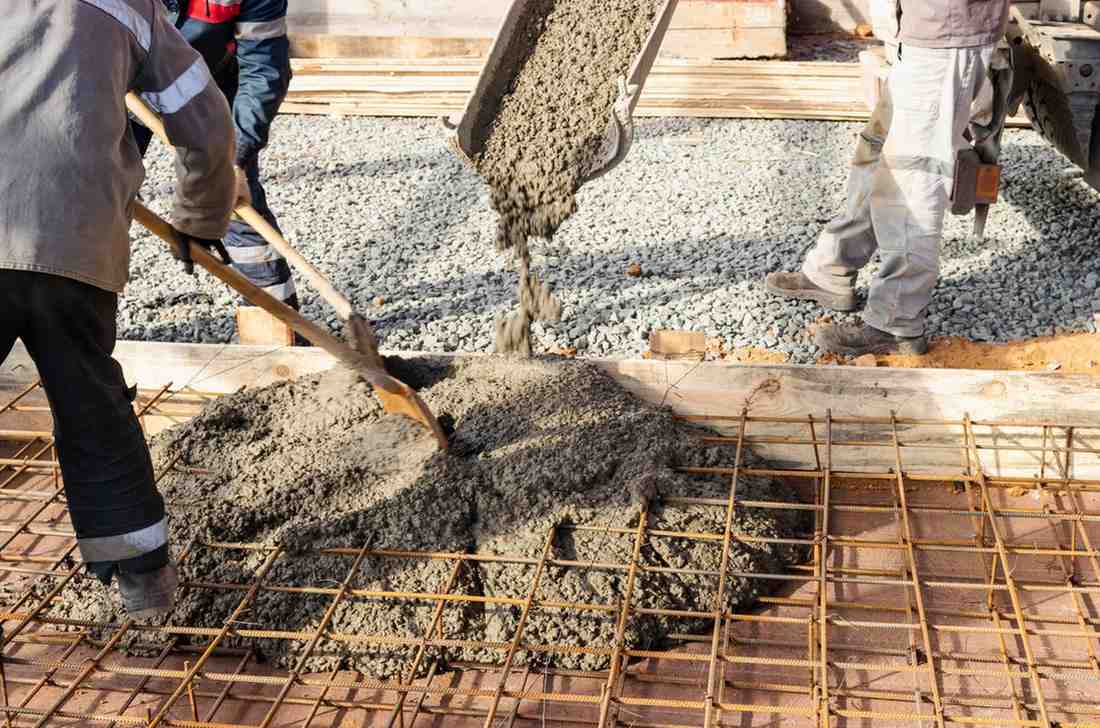
To achieve a durable and long-lasting concrete product, it is important to mix and cure the concrete correctly according to the above steps.
Concrete has an array of different advantages:
Strength: Concrete can support large amounts of weight without damage, so it is normally used for large buildings like factories and warehouses, along with bridges and foundations.
Durable: If the concrete is poured and cured correctly, it can last for a lifetime.
Versatile: Concrete can be poured into many different shapes and sizes. It can be used in many different applications for construction.
Fire Resilient: Since concrete does not burn, it is an excellent barrier for fire; a building made of concrete is more protected from fire.
Water Resistant: Some forms of concrete will not allow water to penetrate through it. However, for it to be water-resistant, the concrete must be prepared properly.
Minimal Maintenance: Concrete structures typically do not require a lot of maintenance compared to other types of construction materials.
Thermal Mass: When concrete absorbs heat and stores the heat, this thermal mass acts as a natural regulating system, helping to keep indoor air conditioned or heated at a comfortable temperature.
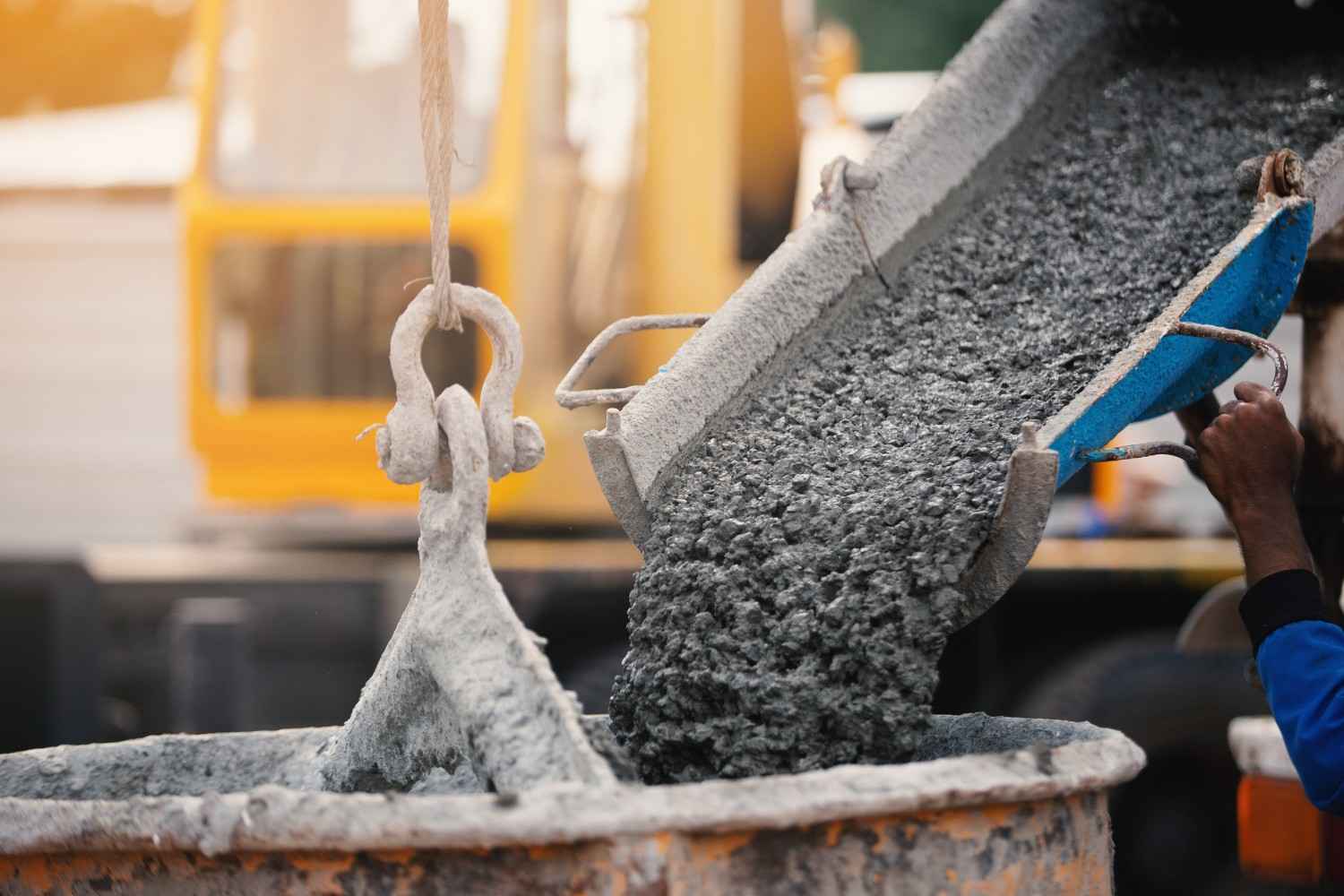
Plain concrete is the simplest form of any concrete. Plain concrete contains four ingredients: cement, water, sand, and aggregate. There are no reinforcement materials in addition to these four ingredients. It offers a good compressive strength. However, plain concrete’s ability to resist tension and cracking is limited.
It is typically used for sidewalks, driveways, floors, and other structures that do not need to support major loads.
Reinforced concrete can be added to a variety of materials, such as steel rebar, wire mesh, or other forms of reinforcement. It acts as the basic ingredient of plain reinforced concrete with respect to its ability to resist tension and provide a very strong and durable structural system. Reinforced concrete is predominantly used in the construction of buildings, bridges, foundations, and other types of structural projects.
Prestressed concrete has been specifically engineered to support substantial loads and extend over greater distances before loading. Before any load is applied, an internal stress is imposed on the tendon so as to strengthen the structure and limit the amount of subsequent cracking.
It is most frequently used in the construction of bridges, parking garages, railroad ties, and major buildings. Prestressed concrete increases the longevity of the structure with minimal maintenance requirements throughout its life.
Precast concrete is manufactured in a controlled factory environment before being transported to the building site. Using precast concrete helps ensure the timely completion of the project. Precast concrete can be poured rapidly by the contractor and is less vulnerable to weather variations.
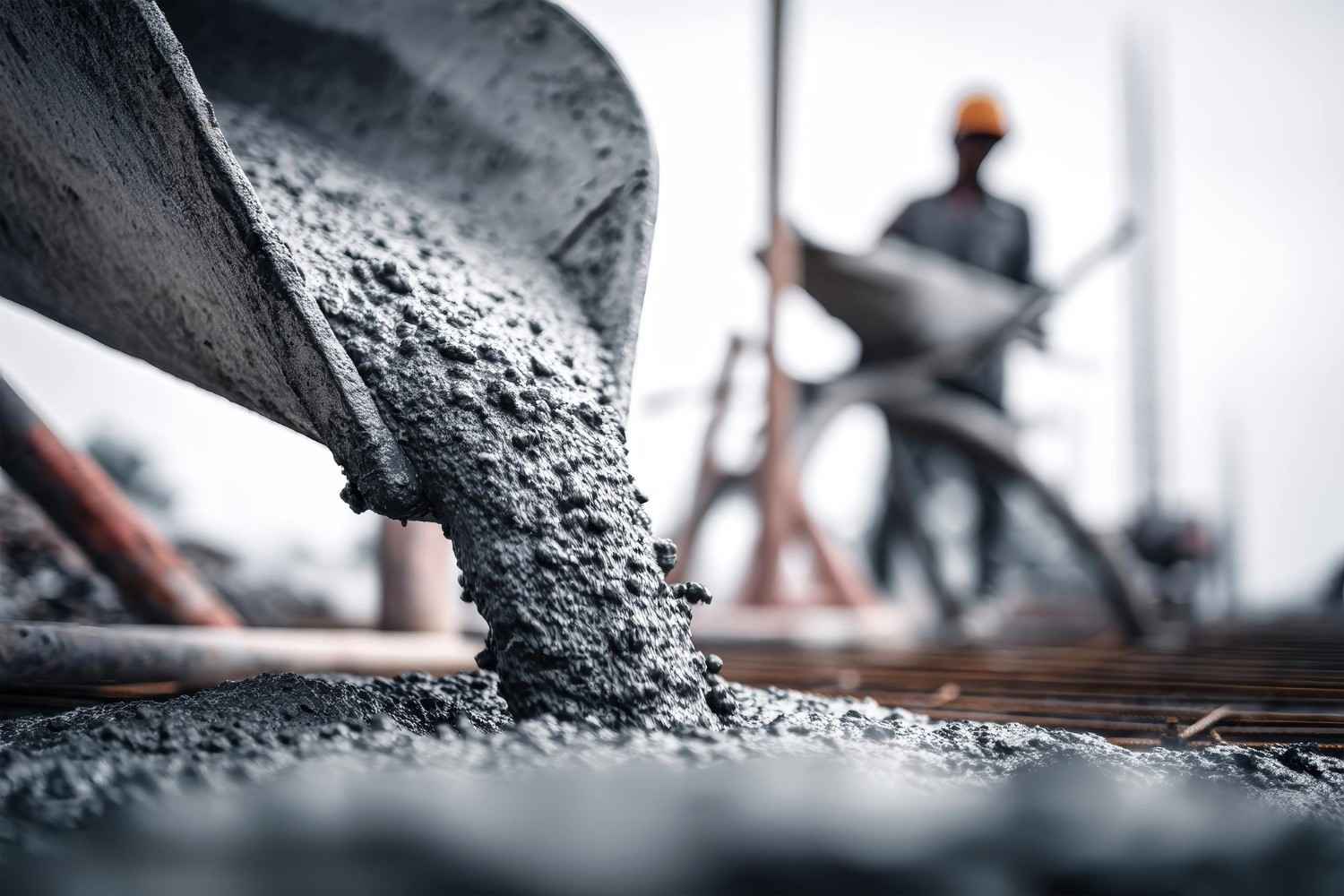
Ready mix concrete is produced at a batching facility or production plant before being delivered directly to the construction site. Ready-mix concrete is widely used to provide uniform quality and to save time. Ready mix concrete can be used in many different types of construction, such as residential, commercial, or infrastructure projects, where careful batching and fast delivery are needed.
Instead of using regular stone aggregates, lightweight concrete is composed of lightweight aggregates. As a result of this change in materials, lightweight concrete weighs less than regular concrete and can therefore be handled more easily, and will also put less stress on buildings. Lightweight concrete is especially useful when building high-rise structures and precast elements such as roof decks, where it is important to keep costs down.
Heavy-density concrete is made using heavy aggregate and thus has more weight than normal concrete. This higher weight gives heavyweight concrete more density. It is therefore the choice when constructing specialised buildings such as hospitals, laboratories, and nuclear power plants that require radiation protection or added support from mass. It provides durability and strength and has enough capacity to withstand the harshest of conditions.
High-strength concrete is used to provide increased load-bearing capacity compared with normal concrete. It is typically utilised in the construction of large masonry structures such as multi-storey buildings, long span bridges, or large infrastructure projects that require the ability to withstand significant weight loads. Furthermore, the additional strength of high-strength concrete also improves the building’s long-term durability and performance.
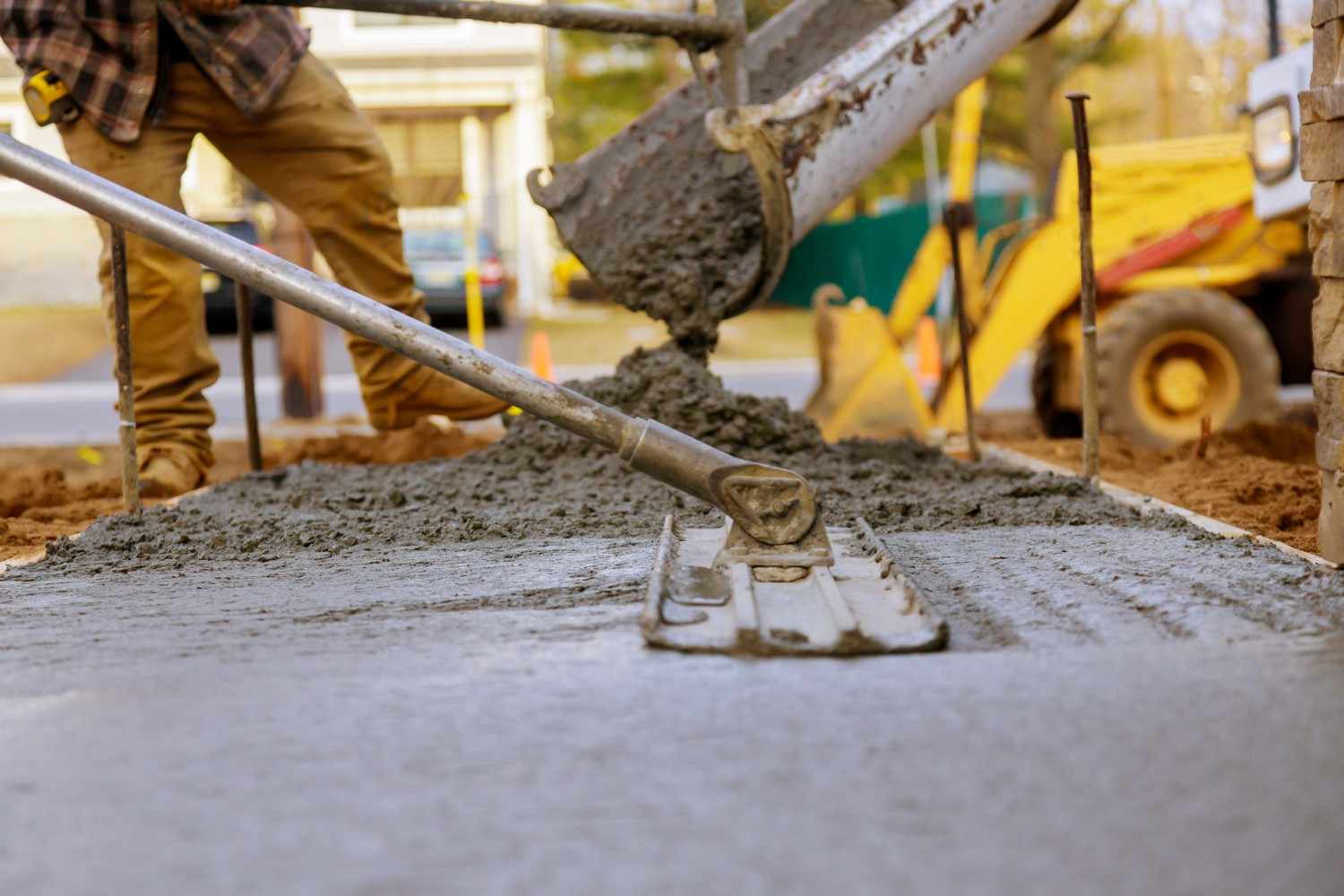
High-performance concrete is engineered to deliver high levels of durability, strength, and resistance to environmental conditions. It often contains additional materials to enhance the performance of the final product. Bridges, marine structures, and certain projects that will require a long serviceable life with very little maintenance are good examples of where high-performance concrete is used.
Self-compacting concrete is a highly flowable material that can flow easily to fill formwork without the use of vibration to compact it. Because of this ability to flow, self-compacting concrete will fill intricate spaces and reach all areas of the formwork, providing a sound and uniformly finished surface. Self-compacting concrete is commonly used for architectural applications as well as for heavily reinforced structures.
Air-entrained concrete has microscopic air bubbles that enhance the concrete’s ability to resist freeze-thaw damage. The air bubbles help to eliminate cracking due to temperature and moisture-induced expansion or contraction. Therefore, air-entrained concrete is used extensively for roads, driveways, sidewalks, and external structures in colder climates.
Stamped concrete is a type of concrete that simulates brick, stone, slate, or wood. It offers both durability and aesthetics, making it a popular choice for use in outdoor living spaces, including patio areas, driveways, sidewalks, and other paving surfaces. Based on its visual attractiveness, stamped concrete can be used as an alternative to natural products such as stone or brick while providing a cost-effective solution.
Pervious concrete is designed to permit rainwater to infiltrate through the surface of the pavement and soak into the subbase. By reducing stormwater runoff through better drainage, pervious concrete improves the quality of stormwater and reduces the risk of flooding. Pervious concrete has been widely used for parking areas, walkways, sidewalks, and eco-friendly construction projects.
Polymer concrete uses polymer resins instead of traditional cement as a building agent. It offers a high level of chemical, moisture, and corrosion resistance, which makes a polymer concrete an excellent choice for use in industrial environments. In addition to being used for drainage systems and wastewater treatment plants, polymer concrete can also be used for industrial flooring.
Fibre-reinforced concrete contains small fibres that are distributed throughout the concrete to increase strength and reduce the likelihood of cracking. The small fibres help to distribute stress evenly across each section of the concrete. Fibre-reinforced concrete is commonly used for industrial floors, pavement, tunnels, elevated decks, etc.
Shotcrete is a type of concrete that is sprayed onto the surface of an object with specialised equipment, allowing easy application to vertical and overhanging surfaces. Shotcrete is often used in tunnels, retaining walls, swimming pools, and when constructing slopes where the use of traditional forms of concrete would be challenging.
Various types of construction projects require different forms of concrete, and all types of concrete are created using the same ingredients. However, different proportions of concrete ingredients or methods used to reinforce cement when using concrete cause the creation of special types of concrete with special properties, as well as applications of each type of concrete that is being used today.