
Concrete slabs are widely used in foundations, driveways, roofs, ceilings, pavements, decks, and many other construction projects to provide a strong, reliable, and durable surface. But even strong concrete can develop cracks.
You may have noticed neat grooves cut into the concrete slab. These cuts are not damage; in fact, they are made to prevent the concrete slab from cracking or deteriorating due to temperature changes, heavy loads, and weather challenges. In this blog, we will explore how large a concrete slab can be and the factors that affect its size without expansion joints.
Expansion joints are defined gaps in concrete slabs designed to accommodate the shrinkage, expansion, and contraction of concrete due to temperature changes, helping keep the surface safe from cracking, buckling, or breaking.
Concrete expands in heat and contracts in cold, creating movements, and expansion joints provide the space that divides the surface into two parts and creates a gap to handle these movements. These gaps are filled with compressible filler materials and are made according to the concrete slab’s size and quality.
Although concrete is a strong and durable material, its natural expansion and contraction can cause it to crack. That’s where the expansion joints play their role. They provide sufficient space within large concrete slabs to accommodate these natural forces.
Expansion joints extend the lifespan of the structure, enhance safety and structural integrity, and reduce maintenance costs. They absorb vibrations and reduce noise, improving efficiency and restoring the structure’s functionality.
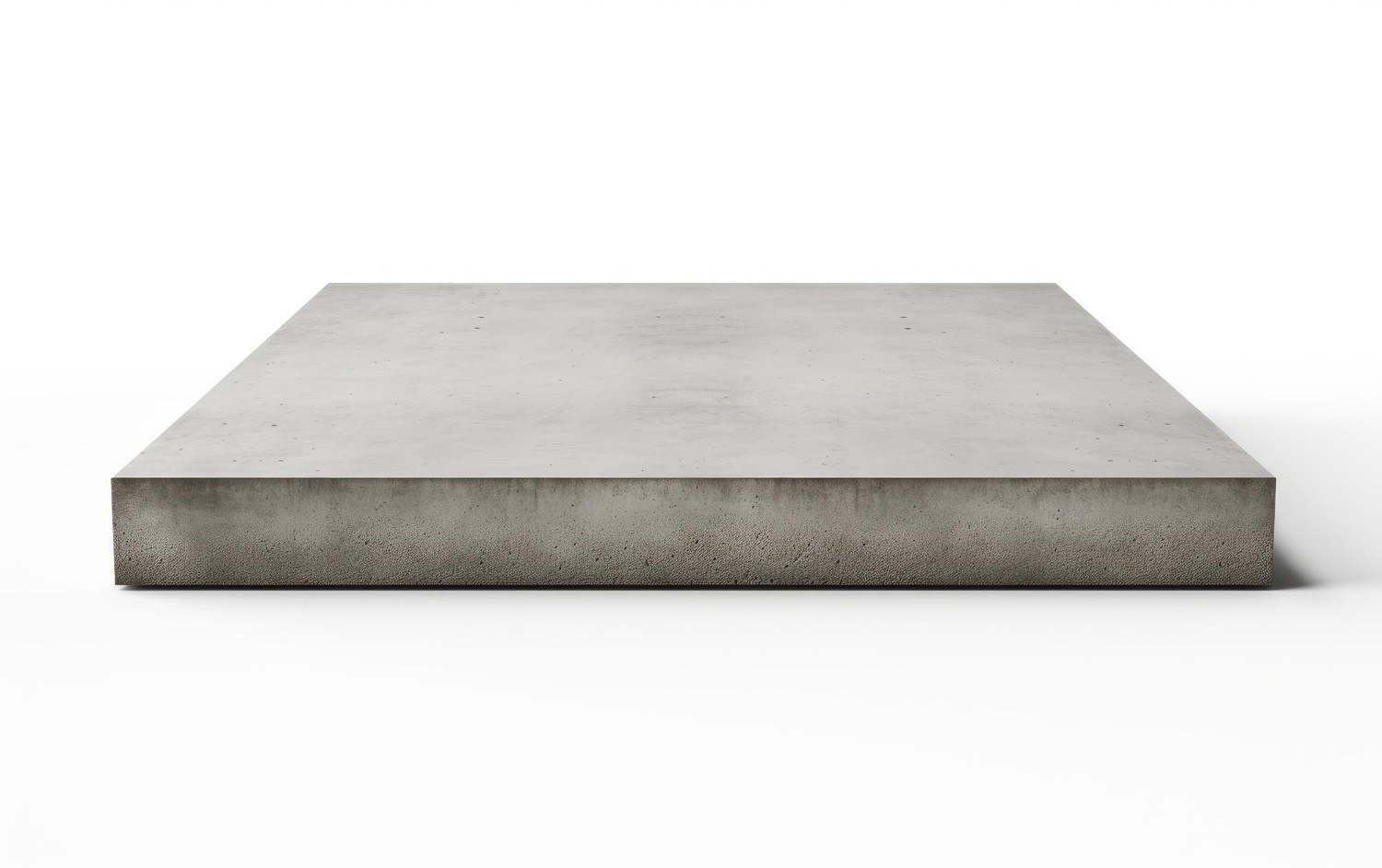
Expansion joints are placed where the concrete slab meets a hard surface, such as a wall or floor. The size of the expansion joint depends on the concrete slab’s size and quality, the extent of environmental changes, and thickness.
The purpose for which you are going to use the slab determines the requirement for expansion joints. For example, in heavy-traffic areas, expansion joints are necessary, but not for small residential patios and pavements.
Temperature affects the concrete greatly. It expands during hot summer days, which requires expansion joints to avoid cracks, while during cold temperatures, concrete contracts and expansion joints are not required for small concrete slabs.
Thick slab structures contain more material, which helps distribute natural forces, and reinforcement eliminates the need for expansion joints by reducing cracking. But for larger or industrial structures, expansion joints are required.
Areas with extreme temperature changes require expansion joints even for small concrete slabs, whereas in areas with less temperature change, concrete slabs can be poured without expansion joints.
The concrete mix quality is the main factor in determining its durability and whether an expansion joint is required to strengthen its structural integrity. High-quality concrete can reduce shrinkage, allowing it to be used without joints.

There is no definitive rule for determining the spacing of expansion joints in a concrete slab. Still, large infrastructure, including highways and bridges, generally requires expansion joints every 10 to 15 feet due to exposure to heavy loads and temperature fluctuations.
Usually, expansion joints are not required for small residential applications, but it depends on concrete quality and structure. For commercial or industrial structures, expansion joints are required every 20 to 25 feet to accommodate the stresses of heavy loads.
Expansion joints play an important role in keeping a concrete slab functional, but they are not essential. Concrete slabs without expansion joints have their own benefits and risks.
Small concrete slabs without expansion joints are safe and provide various benefits.
Concrete slabs without expansion joints are more susceptible to damage and cracks, resulting in weakened structural integrity.

Concrete slabs play an important role in various construction projects, including residential, commercial, and industrial projects, as well as large infrastructure projects. However, expansion joints in concrete slabs help them to resist environmental and structural challenges.
Expansion joints can be placed or omitted based on the size, quality, temperature extent, and intended use of concrete slabs. High-quality or thick concrete slabs do not require expansion joints and are safe for movement. Are you in need of a reliable source for your concrete slab? Ready Mix Concrete London offers high-quality concrete mix after discussing your project requirements in detail to ensure its effectiveness for structural integrity and strength.