The costs for ready mix concrete generally range between £100 and £160 per cubic metre (m³). However, understanding how your location and the strength of the concrete impact the expense can assist you in your budgeting.
If you are wondering about the cost of ready mix concrete? Many factors directly affect the overall cost, such as consumer needs, quality of raw material, and particular mix designs. Understanding these factors helps to plan your budget accordingly and make informed decisions for your project.
Ready mix concrete is pre-mixed concrete that is dispatched in a plastic state. It can be produced in a batching plant and is ready to be used for different construction projects, including roads, bridges, and residential buildings. Using ready mix concrete minimises the time and labour involved in mixing on-site, thereby improving overall efficiency.
Various key features of ready mix concrete (RMC) are:
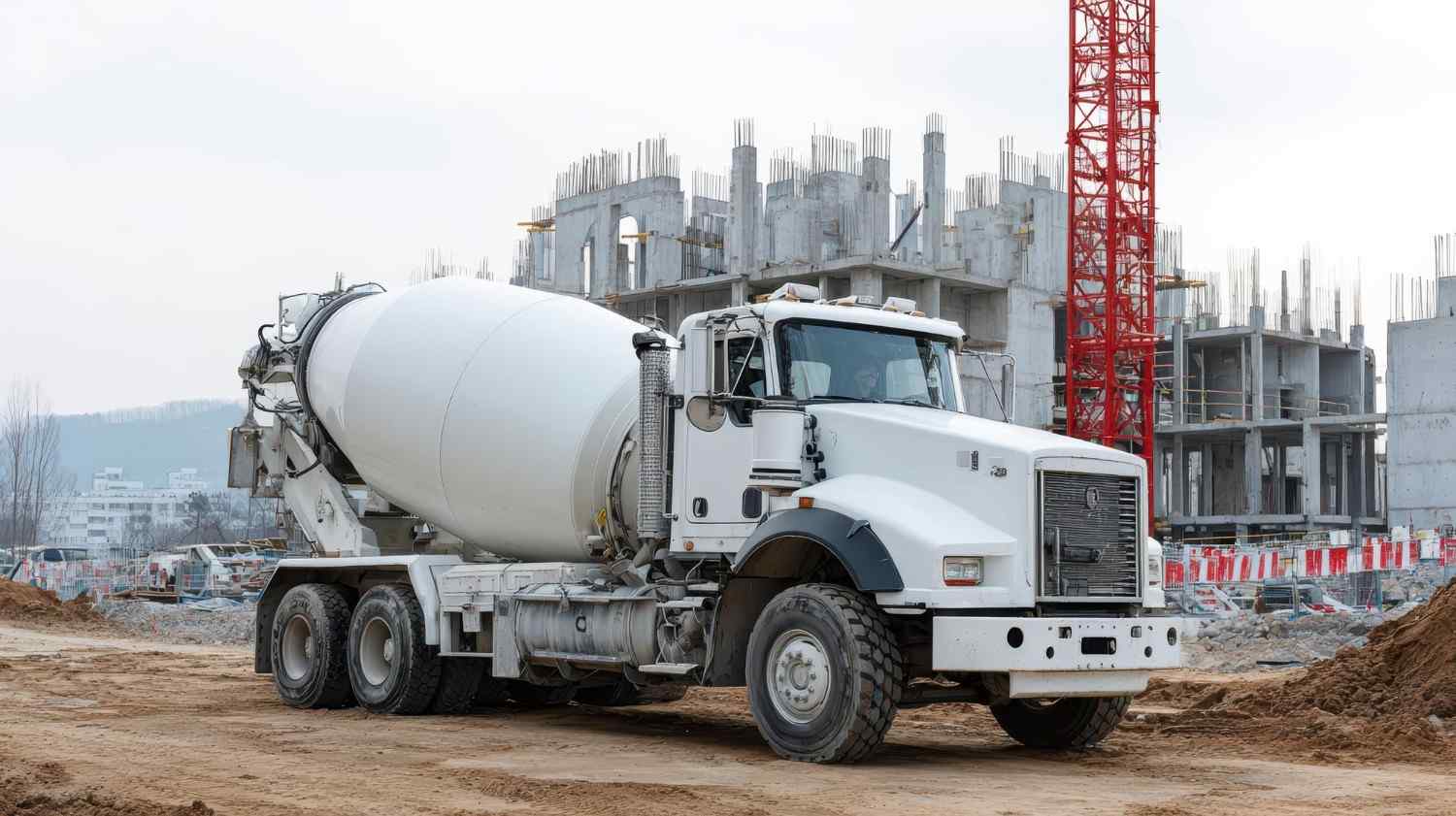
Typically, the cost of ready-mix concrete can range between £100 and £160 per cubic metre (m³). This range can vary based on delivery location, structural grade, and specific additives needed for the project.
Prices by Concrete Grade
More cement is needed for higher structural strength, which increases the cost per m³.
Concrete grade | Typical uses | Average cost per m³ |
C10/C15 | Buildings, non-structural fill, step pads | £90 – £118 |
C20/C25 | Domestic floors, shed/hot tub bases, foundations | £100 – £140 |
C25/C30 | Driveways, patios, light structural slabs | £105 – £135 |
C35/C40 | Heavy commercial building, industrial floors | £120 – £160
|
Specialist blends | Waterproof or fibre-reinforced concrete | £165 – £189 |

Various factors directly affect your expenses, and understanding them ensures that you plan accordingly and prevents unnecessary costs.
The final cost primarily depends on the volume of the concrete mix ordered per cubic meter and suppliers’ prices. The maximum order can reduce the costs per cubic meter since suppliers measure the load-bearing capacity of their truck. Therefore, prices are fixed for higher quantities.
On the other hand, when the volume ordered is smaller, it can cost you more per cubic metre. Small loads incur an extra fee, which should be factored into your calculations.
The type of concrete mix you require depends on the application. A domestic garden slab needs something that creates a strong structural base. A concrete mix with higher strength can cost more due to its reinforcement.
The specialised mixtures, like fibre-reinforced and permeable concrete, have higher premium strength but are more expensive. By selecting the suitable mix, you can prevent costly maintenance.
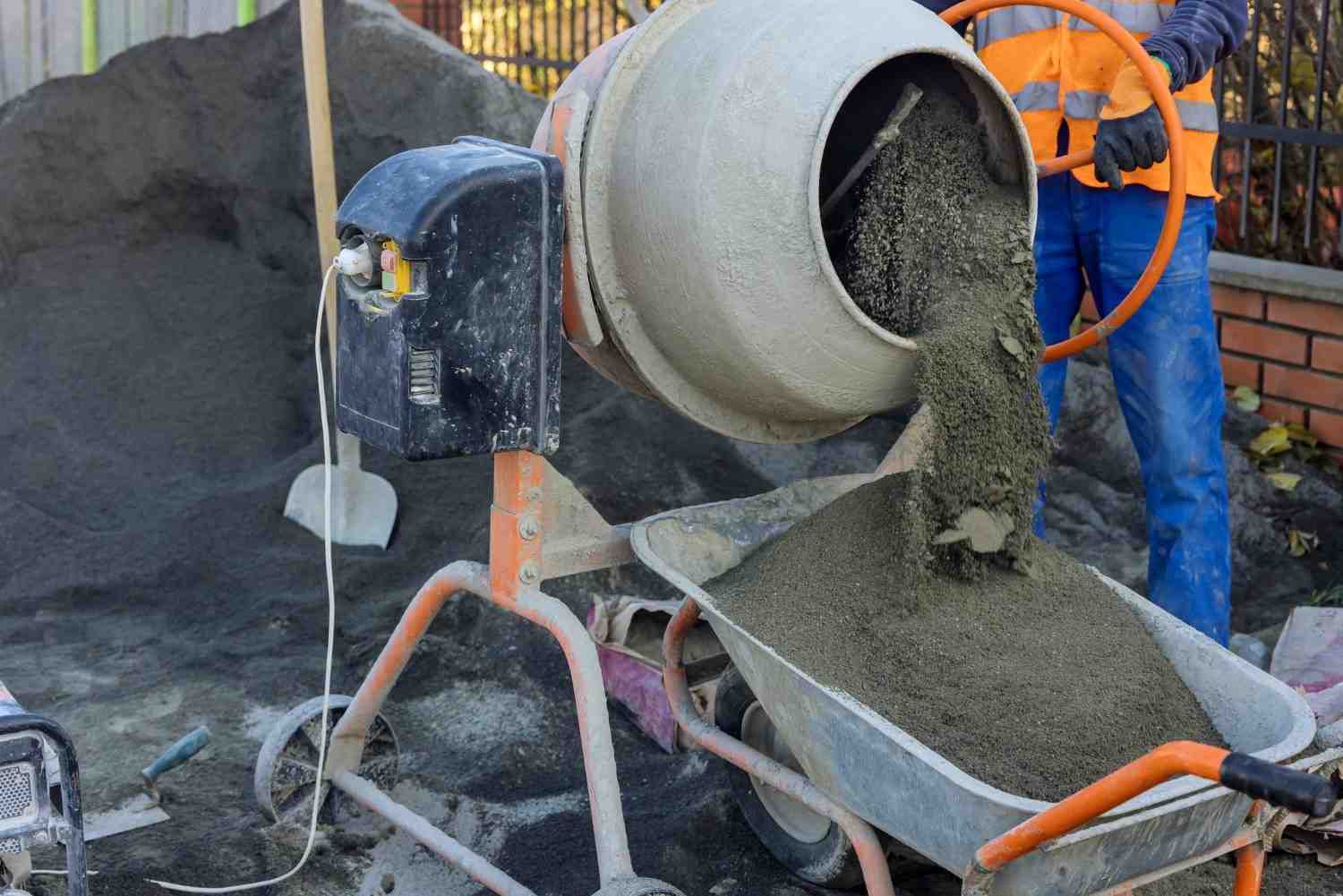
Access to the site also plays a crucial role in the costs. When your site has limited access, it is better to prefer the concrete pump. It is more effective and minimises the cost than traditional methods. Depending on wheelbarrows to transfer concrete over distances can increase labour and time. It also increases the risk of mix stiffening before arriving at its pouring place.
The delivery charges applied are determined after adding the costs of fuel and transportation. The costs increase the farther you are from the batching plant. The charges for waiting time are also added if it goes beyond the site standard of 30 to 60 min. Make sure your team and site are prepared before the truck arrives to prevent any increase in the cost.
Ready mix concrete plays a significant role in modern construction, offering a variety of benefits. To determine the final cost of ready mix concrete, it is key to have a proper understanding of various factors, including the quantity required, site location, and any hidden costs. By understanding these elements and knowing the average costs, you can make a budget accordingly and make informed decisions for your construction project.