
A standard solid concrete block generally weighs between 18 kg and 20 kg when dry. The weight can vary based on factors such as density, size, and type. Also known as Concrete Masonry Units (CMUs), these large rectangular building elements are made from cement, aggregates (like sand, gravel, and crushed stone), water, and sometimes other materials. They are widely used in construction for their strength and fire-resistance, which makes them ideal for walls, foundations, partitions, and more.
Knowing the weight of concrete blocks is key for transportation, labour planning, structural design, safety, and project costs. This blog discusses the weights of the common block types and provides specific examples for clarification.
A construction company uses different terms for concrete blocks categorised by density and description. Here are some examples:
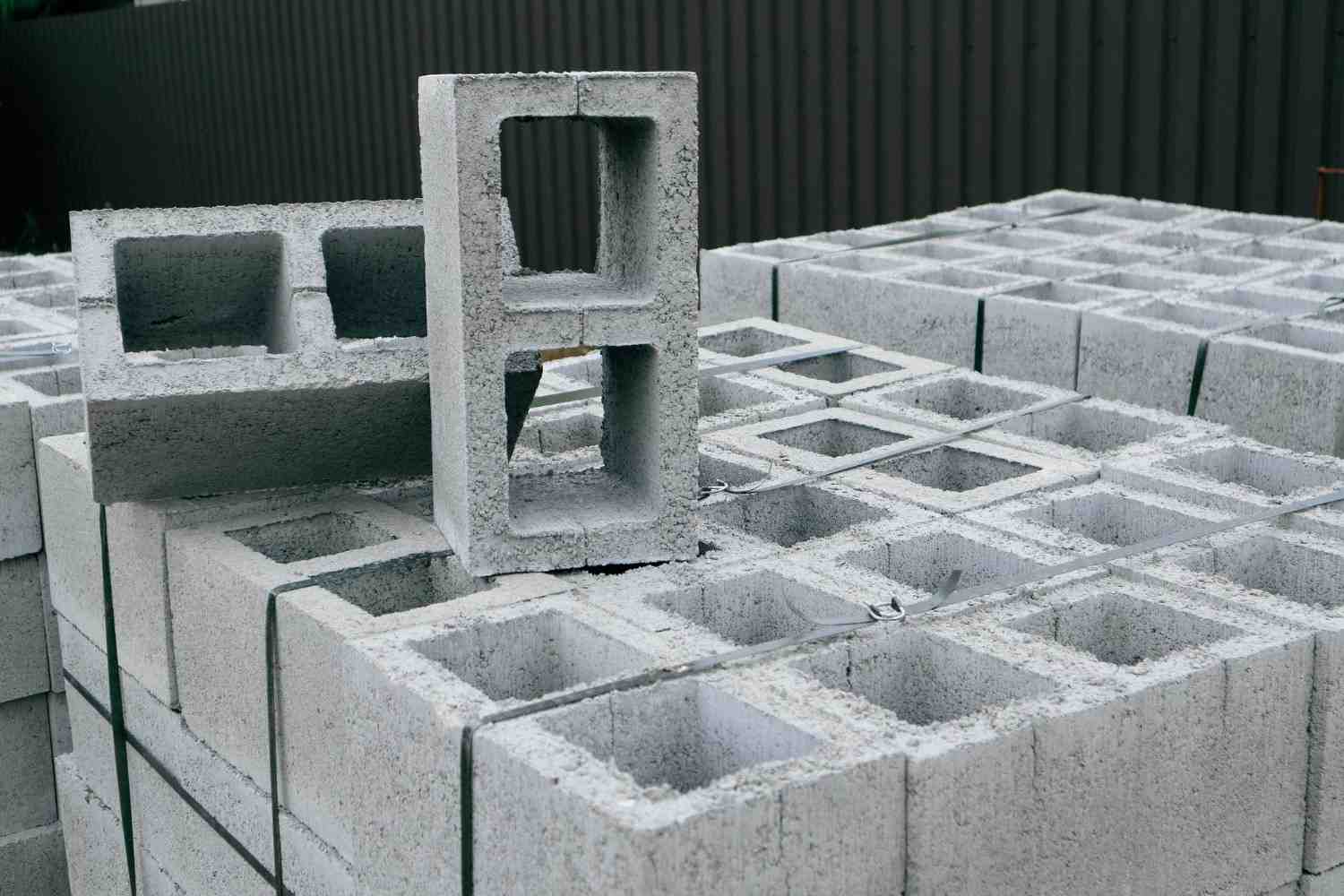
These blocks are among the most commonly used materials for building projects. A typical block size in the UK is 440 x 215 x 100mm, and a standard concrete block weighs between 18kg and 20kg when dry, offering exceptional overall performance. The exact weight of these blocks depends on the density. Additionally, their load-carrying proficiencies deliver an outstanding base for plaster and fixtures. Standard concrete blocks cannot be intentionally used for exterior or interior walls because their appearance may not be consistent.
Medium-dense blocks are made using a mix of both dense and lightweight materials. Their density usually ranges from 1300 to 1600kg/m3, which makes them lighter than dense concrete blocks yet strong enough for various construction uses. The weight of these blocks falls between 13.5 kg and 145.5kg, with a particular block having a size of 440 x 215 x 100mm. They are commonly used in housing projects, such as internal walls, below-ground work, and party walls, where the correct specification is required.
Lightweight concrete blocks are made up of a mixture of cement, sand, water, and specialised lightweight aggregates, such as expanded clay or shale. The weight of a 440 x 215mm x 100mm lightweight concrete block ranges from 9.5 kg to 20kg per unit, based on its density, thickness, and exact composition. Some lightweight blocks can be easily handled as compared to heavy ones, while others are around medium weight.
These blocks are 10 to 15% lighter than medium-density blocks and provide almost the same advantages. This type of block is suitable for most applications, but may face limitations on the domestic party walls.
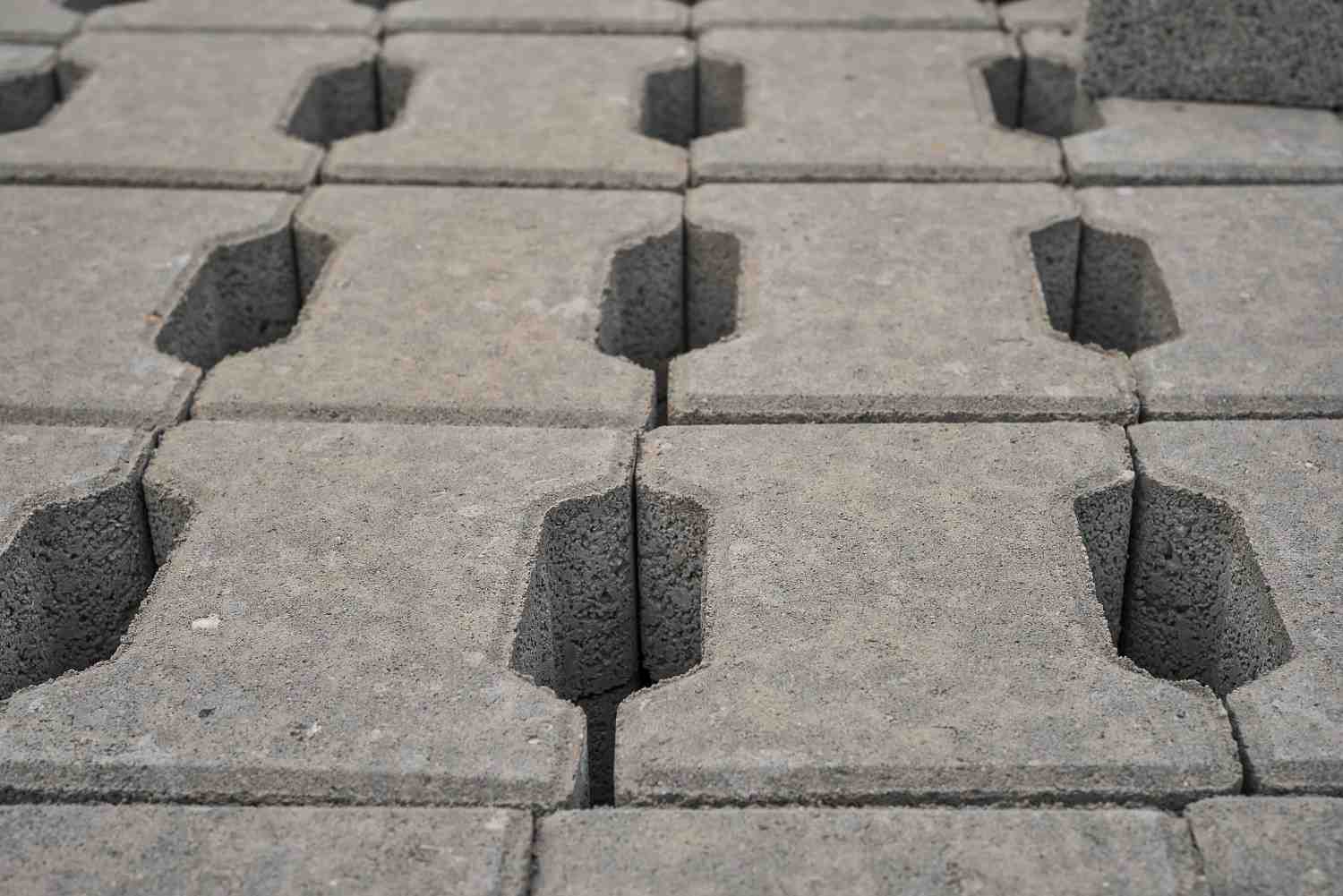
Dense concrete blocks are made from natural aggregates such as gravel, crushed stone, and limestone. Their density usually ranges from 1850 to 2100kg/m3, making them stronger than many other block types. These blocks are available in solid, cellular, and hollow formats, with weights typically ranging from 17 kg to 27.5 kg, depending on the block’s thickness, compressive strength, and internal structure.
Dense blocks are known for their strength, durability, noise reduction, and fire resistance. They are often used in walls that carry weight, such as foundations, retaining walls, and commercial buildings. Since they are heavy, it’s important to handle them with care and plan ahead when moving or installing large quantities.
These blocks are made from very light materials, like aerated concrete, pumice, and expanded clay. The block density ranges between 800 and 1050kg/m3, with individual blocks weighing 8.5 kg and 11 kg. These blocks are easy to handle and quick to install, making them great for projects that need good thermal efficiency.
Additionally, these blocks have a lightweight nature that can lessen the load on structures, which can save costs in steel-framed and concrete-framed buildings. However, it is key to note that just because they are lighter does not mean they are suitable for all projects. You still need to consider their strength, fire resistance, sound insulation, and how well they can be fixed before choosing them.
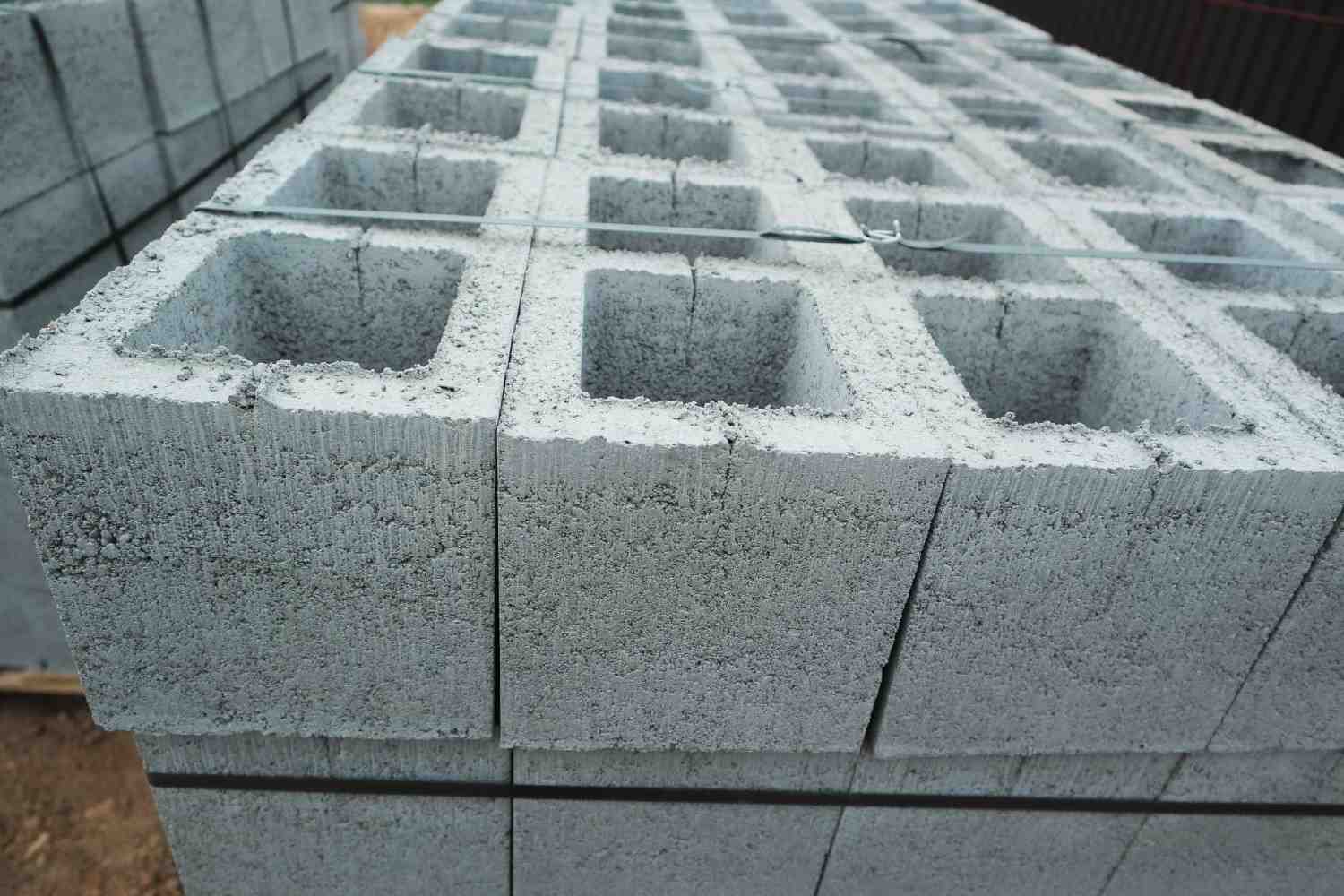
Here are some factors that mainly affect the weight of different concrete blocks.
The weight of the concrete block plays a significant role. The larger blocks contain more materials and therefore weigh more. Mostly, the common block is used with a weight of 8 inches in height and width, and 16 inches in length ( 8″ x 8″ x 16″). Any changes in size will also affect the overall weight.
Density is another crucial factor of the concrete blocks. The concrete mix used in production affects the block’s weight. Lightweight blocks use less dense mixes to reduce the block weight, while heavier blocks rely on denser materials.
The blocks that are freshly made or stored outdoors absorb water, as concrete is absorbent. The amount of water that was left in the pores of the hardened concrete determines a large portion of the weight. Wet blocks weigh more than dry ones.
The production of the concrete blocks can be done following specific standards, such as the UK’s British Standard BS EN 771-3. These standards give exact measurements and weight requirements for concrete blocks. Manufacturers maintain these standards and focus on the quality and conformity of their products.
The way concrete blocks are transported and handled depends on the overall weight of the concrete blocks. The way concrete blocks are transported and handled depends on their overall weight. If the blocks are piled too closely or not managed properly, it can lead to damage. This can result in changes in moisture absorption, which affects their weight.
Understanding the weight of the concrete blocks is vital for structural safety, budgeting labour, equipment, and logistical planning. Mismanaging can lead to overloading the foundation, workplace injuries, and unexpected shipping delays.
The critical reasons why the weight of the concrete blocks matters are as follows:
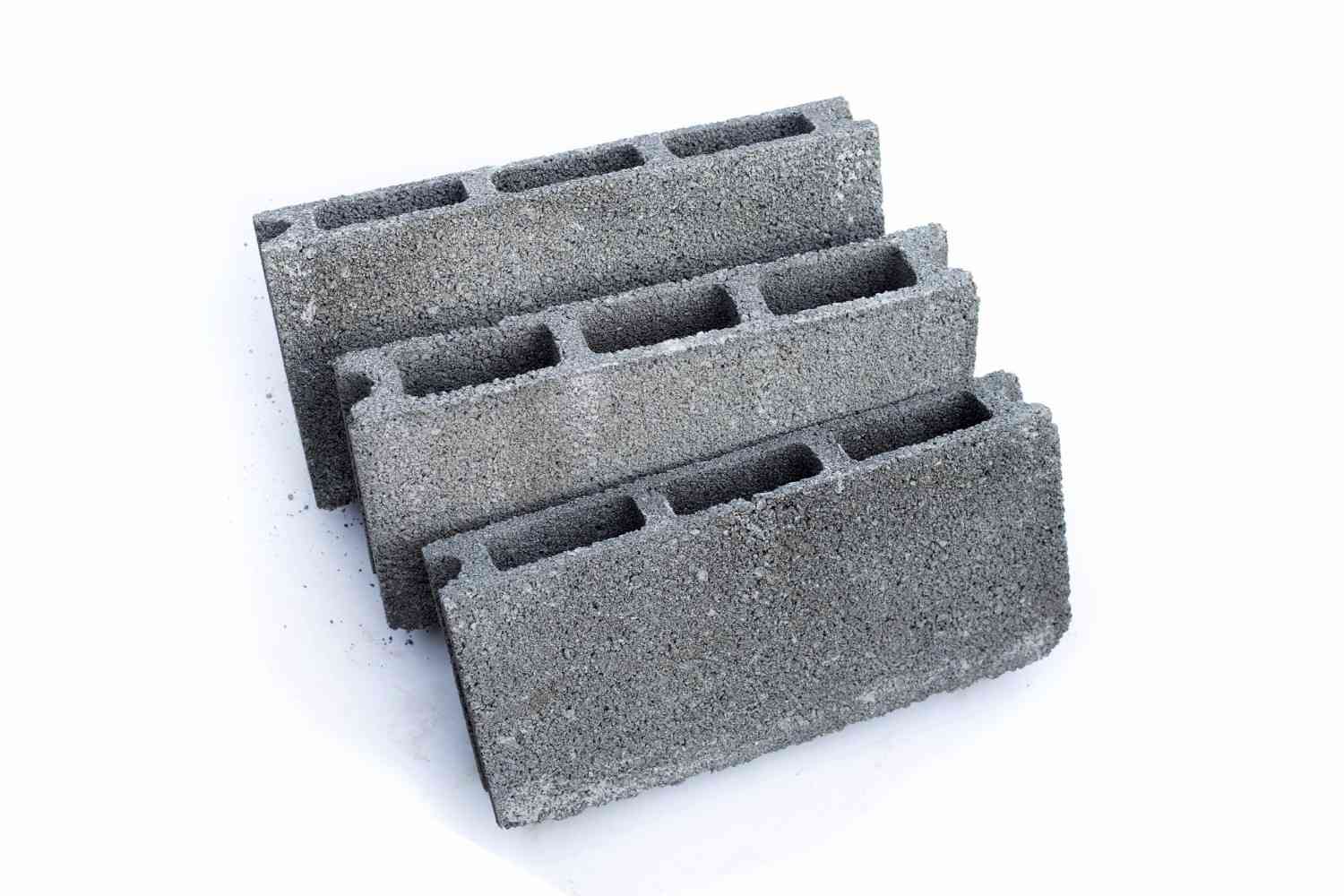
In the construction process, a clear understanding of concrete blocks is critical. It is a key element for safe, efficient, and affordable building projects. By understanding the different types of concrete blocks, stakeholders can make decisions that improve project results and lead to long-term success. Never turn a blind eye to this key aspect; it can significantly impact your project’s success.