Concrete is the most valuable material for every construction project. Whether you are building a home, an office or a restaurant, the right concrete types can directly affect its strength, durability and effectiveness,
Among the different types of concrete, traditional and ready-mix concrete are most widely used in building projects. Both types have their own advantages and disadvantages in terms of convenience, quality, and structural strength. We will discuss in detail the key differences between traditional and ready-mix concrete and which is right for your construction project.
A mix of cement, sand, aggregates and water directly at the construction site using portable mixers or manual methods. The construction team control the proportions of these ingredients, consistency and mixing time.
Different mixing methods are used depending on the project requirements, ranging from small to large quantities. Some common methods of traditional mixing are.
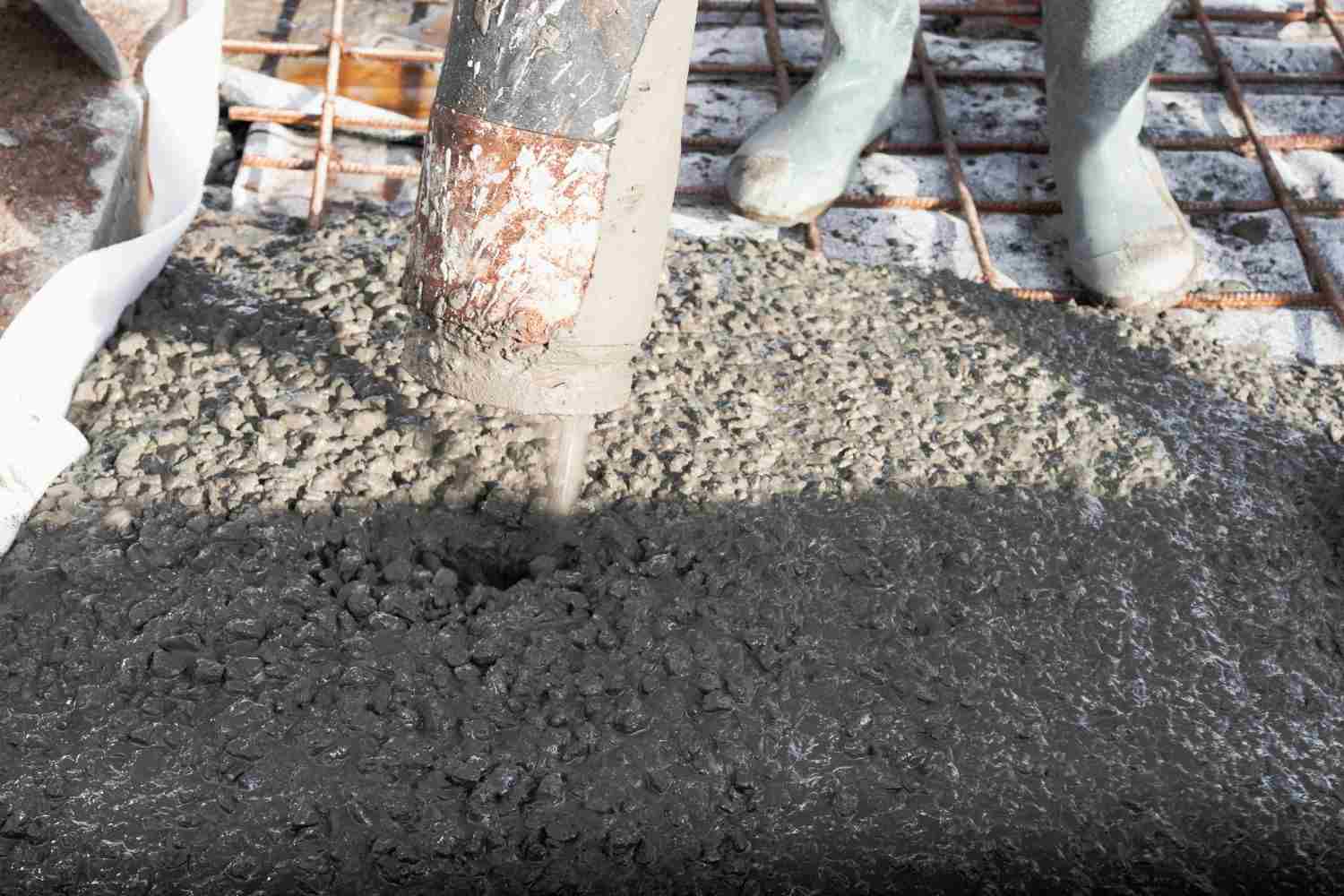
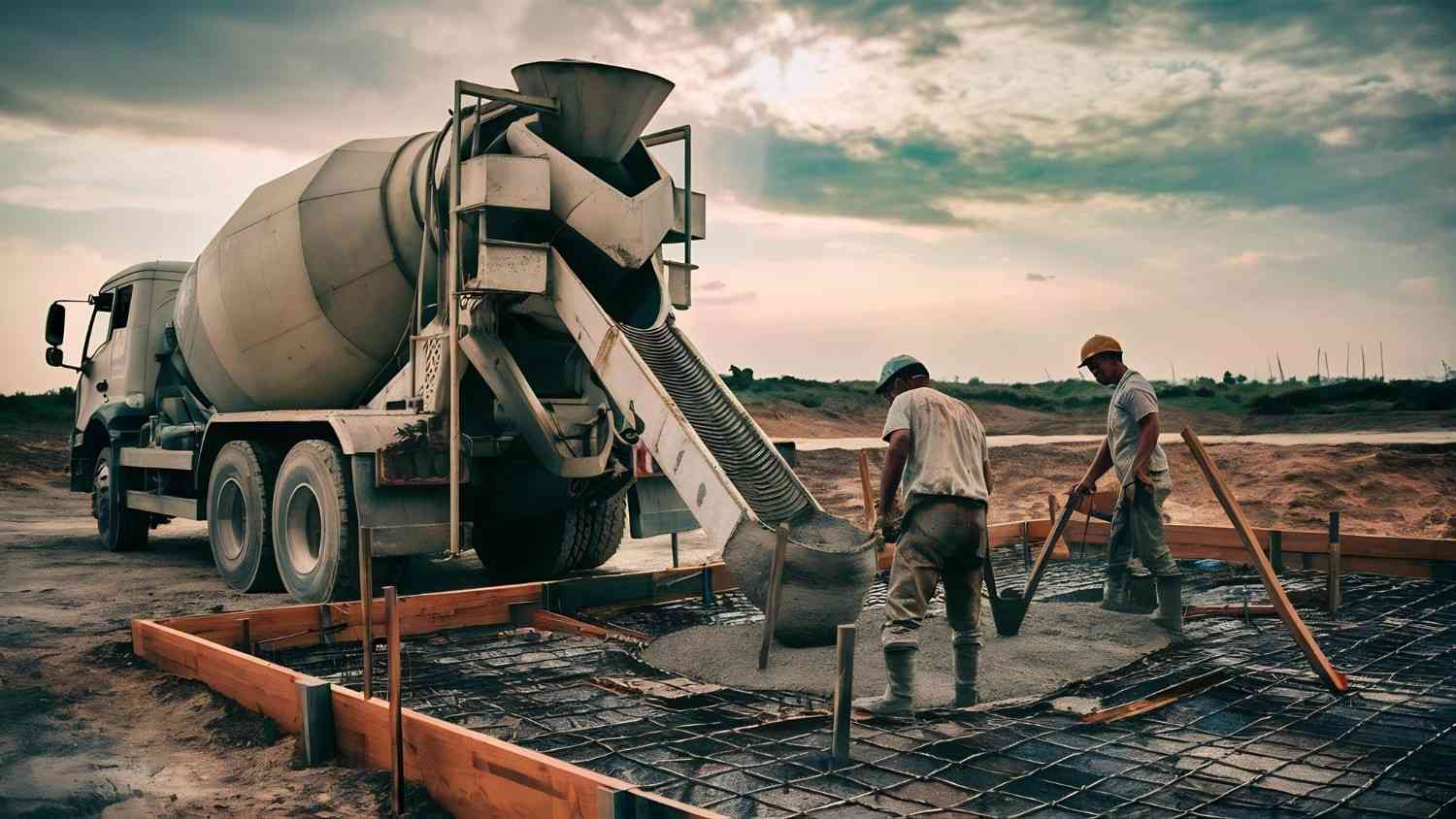
Manufactured at a controlled batching plant using a specific proportion of ingredients and is handled by specialists, ensuring that every batch meets all the specific project requirements. It is delivered in transit mixers and is ready for use at the construction site.
Ready-mix concrete is divided into three main types based on mixing methods to ensure the material’s consistency and quality for effective use in construction. These types are:
Although both traditional and ready-mix concrete are used in construction, they differ in quality, consistency, production methods, space, time, and cost. Here is a detailed comparison of the two.
Traditional concrete is prepared on site by mixing different ingredients manually to the required proportion. Ready-mix concrete is made in a controlled environment at a professional manufacturing facility.
Traditional concrete is prepared by hand, making its structural strength more inconsistent. On the other hand, ready-mix concrete is prepared in a controlled environment, ensuring consistent quality every time.
Traditional concrete mixing consumes more time and delays your construction project, while ready mix concrete is available in ready-to-use form, reducing delays and speeding up your job. It is the best solution for large volume construction requirements.
On-site mixing produces more waste, including dust and material loss, and makes it difficult to handle excess mixture, which can cause serious environmental impacts. Ready-mix concrete is professionally manufactured and used directly without storage, resulting in less waste and greater environmental effectiveness.
Traditional concrete mixing requires more manual mixing and applying it at different parts of the construction site. Professionally produced ready-mix concrete needs very little manual handling for compacting and pouring.
Traditional concrete mixing requires a large space for mixing sand, water, and aggregates, creating clutter at the project site. Ready-mix concrete is produced in drums and delivered by concrete pumps, so it does not require additional storage space, keeping the site area clean and safe.
Traditional concrete may seem affordable, but it carries hidden costs for labour and waste handling. Ready-mix concrete is a bit expensive, but it saves you money through reduced maintenance, shorter timelines, and less waste.
Traditional concrete is suitable for small repair projects, remote locations, emergency repairs, and speciality mixes where a small quantity of concrete is required. Ready-mix concrete is suitable for large projects, commercial construction, driveways and sidewalks, foundation pours, bridges, and dams.
Traditional concrete has been used for decades and offers several advantages for your construction. Some of these benefits include cost control, flexibility, and accessibility in small areas where ready-mix concrete is difficult to pour.
Ready-mix concrete provides a high-quality concrete mix with fast delivery to speed up your construction project, enhancing the overall working efficiency. Most construction contractors and project managers opt for this because it:
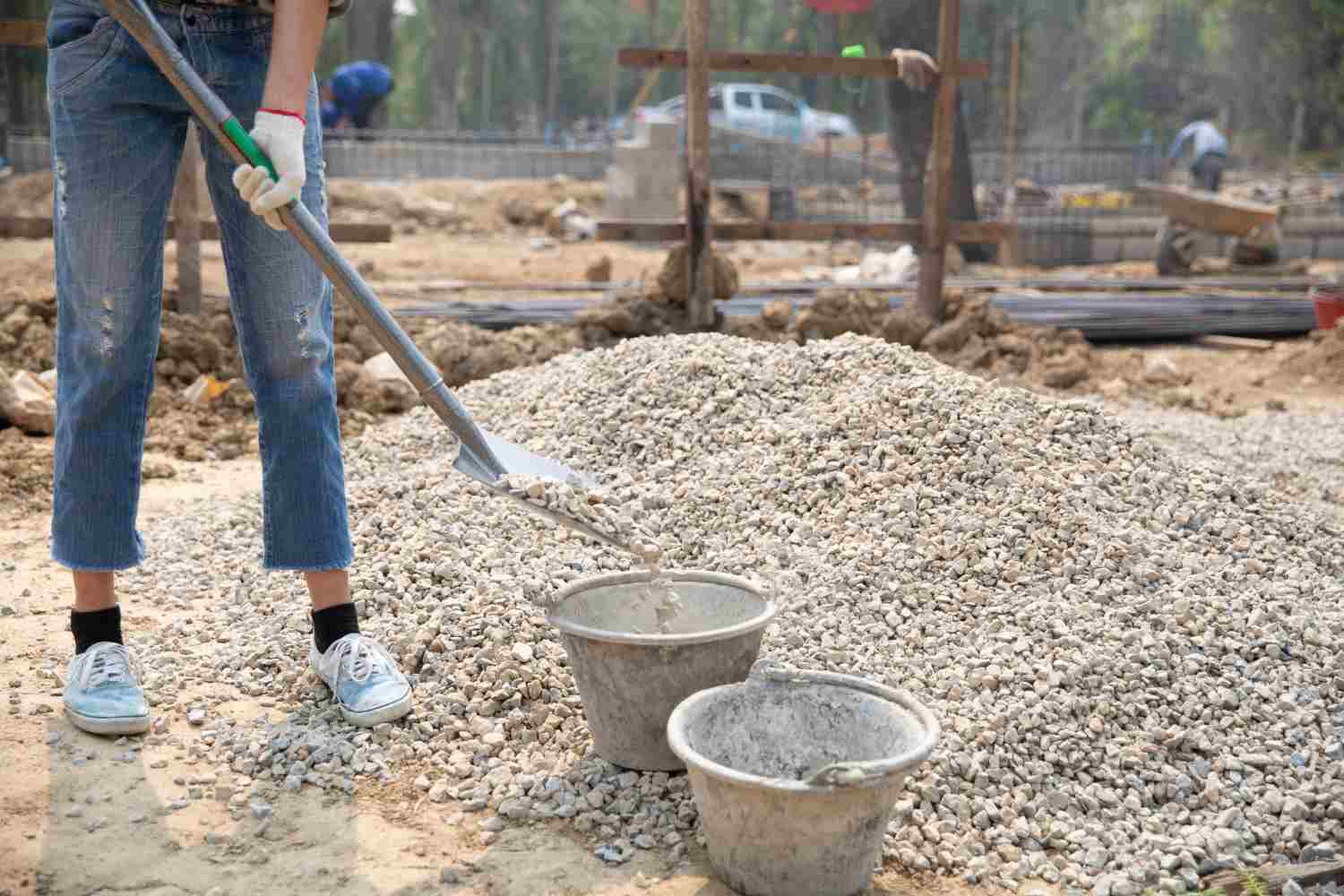
The right choice of concrete mix depends upon the project requirements, including size, time, quantity, and economic factors. Considering these factors can help you choose the right one for your project. Traditional concrete is mixed on-site by masons and may have inconsistencies. In contrast, ready-mix concrete is the modern, efficient solution for large projects, with ready-to-use concrete on-site.
Traditional concrete is better suited to small or budget-sensitive projects, such as minor repairs, remote locations, basic structural repairs, and home room additions. In comparison, ready-mix concrete is best suited to large projects, including residential, commercial, and infrastructural projects, such as highways, bridges, and tunnels.
Traditional and ready-mix concrete both have their own advantages, but which one is right depends on the project’s size, time constraints, economic conditions, and quality requirements. Traditional concrete is mixed on-site and offers flexibility, but maintaining consistent quality requires extra attention.