
Floor screed usually takes around one day per millimetre to dry for the first 40mm thickness, meaning a standard 40mm screed may require approximately 40 days before flooring installation. Drying time depends on the screed type, thickness, temperature, humidity, ventilation, and moisture requirements of the final floor covering.
Floor screed is an essential part of many construction and renovation projects, providing a smooth, level surface ready for final floor finishes such as tiles, vinyl, laminate, wood, and carpets. Although screed may look dry within a short period, it requires enough time to release moisture and gain the necessary strength before any flooring materials are installed.
One of the most common questions asked by homeowners, builders, and contractors is: how long does floor screed take to dry?
The drying time depends on several factors, including the thickness of the screed, type of screed used, ventilation, temperature, humidity levels, and the final flooring material being installed. Installing flooring too early can trap moisture, causing problems such as lifting, mould growth, cracking, and damage to the finished surface.
Understanding the drying process helps ensure a strong, stable, and long-lasting floor.
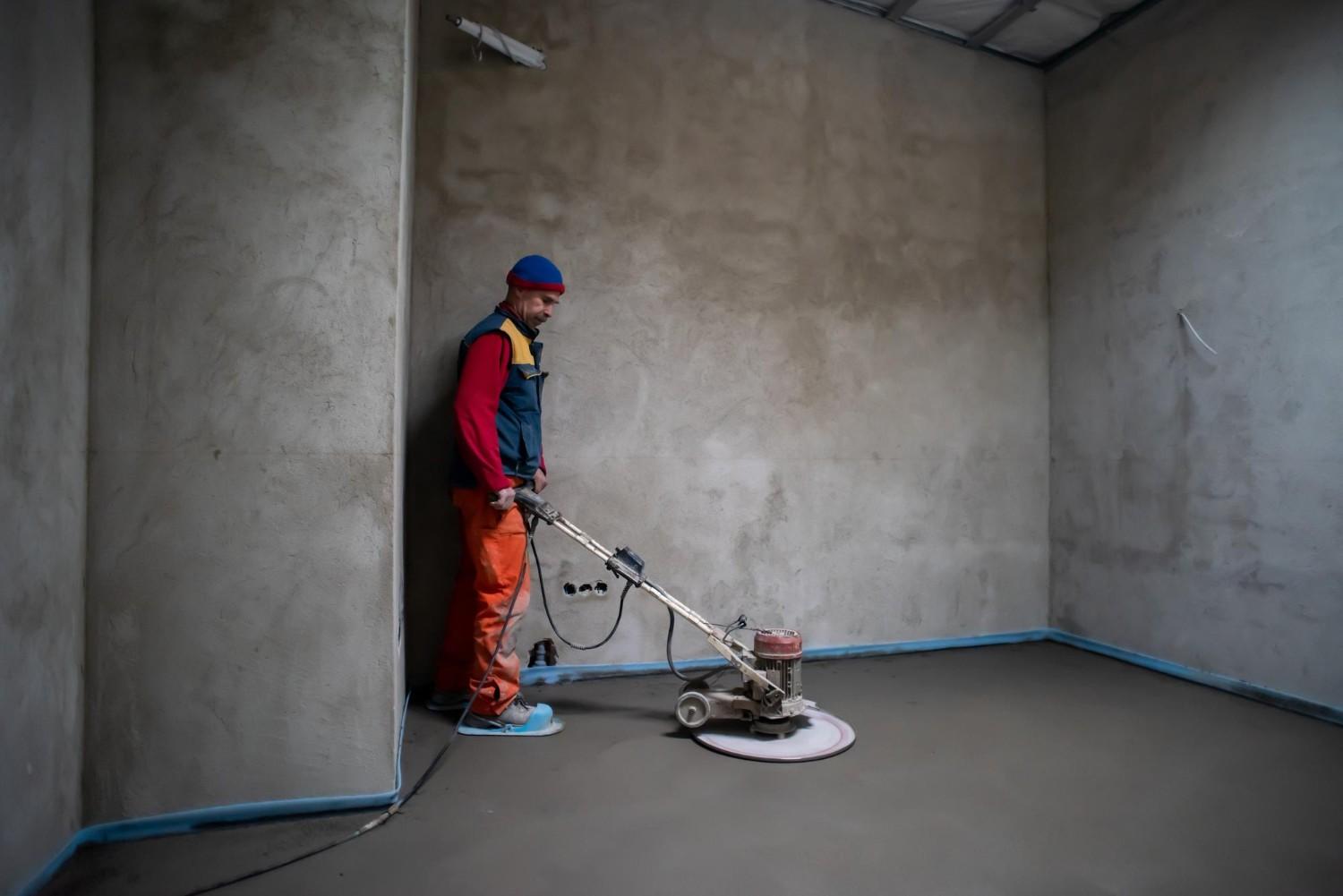
Floor screed is a mixture commonly made from cement, sand, and water, which is applied over a concrete base or insulation layer to create a smooth and even flooring surface. It can be used in both residential and commercial buildings where a level foundation is needed before applying the final floor covering.
Screed helps improve floor strength, supports floor finishes, and provides a suitable surface for underfloor heating systems. Professional preparation and quality materials, such as those used by Ready Mix Concrete London, help create a reliable base that performs well over time.
There are different types of floor screed, including traditional sand and cement screed, liquid screed, fast-drying screed, and fibre-reinforced screed. Each type has different drying characteristics.
In general, traditional floor screed takes approximately one day per millimetre for the first 40mm thickness, followed by additional drying time for thicker applications.
For a standard 50mm screed layer, the drying process may take around 6 to 8 weeks before it is ready for sensitive floor coverings.
However, drying times can vary depending on the screed type and environmental conditions.
Traditional screed is one of the most commonly used options in construction. It usually follows the general drying rule of:
For example, a 40mm screed may take around 40 days to dry under suitable conditions, while a thicker screed layer may require significantly longer.
Liquid screed, including calcium sulphate-based screeds, often dries more evenly because it flows easily and creates a consistent thickness. It may dry faster than traditional screed in some situations.
Typically, liquid screed can become ready for floor coverings within 3 to 7 weeks, depending on thickness, ventilation, and moisture levels.
Fast-drying screeds are specially designed for projects where shorter installation times are required. Some products can be ready within a few days, although drying times depend on the manufacturer’s specifications and site conditions.
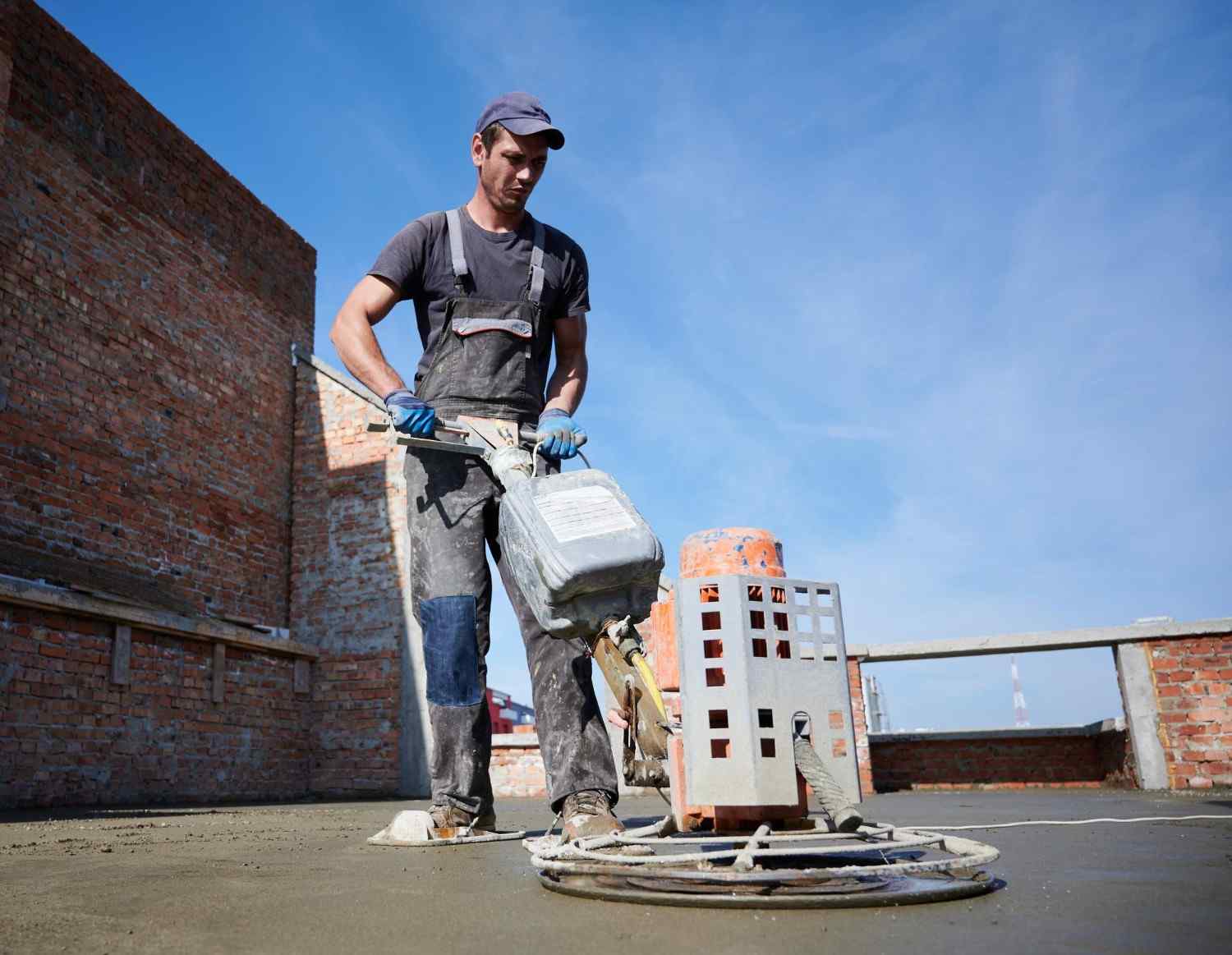
Floor screed does not dry at the same speed in every environment. Several factors can influence how quickly moisture leaves the screed.
The thickness of the screed is one of the biggest factors affecting drying time. A thin layer will naturally lose moisture faster than a deeper application because there is less water trapped inside.
A thicker screed layer provides additional strength but requires more patience before flooring installation.
Warm temperatures usually help screed dry faster because moisture evaporates more efficiently. However, extremely high temperatures can cause uneven drying, which may lead to surface cracking.
Cold weather slows down moisture evaporation and can significantly extend drying periods. Maintaining a stable indoor temperature creates better drying conditions.
Good ventilation plays an important role in removing moisture from the screed. Keeping windows open or using suitable ventilation systems can improve drying times.
However, strong draughts directly across freshly laid screed should be avoided because rapid surface drying can create problems.
High humidity prevents moisture from escaping effectively, meaning screed may take longer to dry. Buildings with poor ventilation or damp conditions often require additional drying time.
Monitoring humidity levels can help determine when the screed is ready for the next stage of construction.
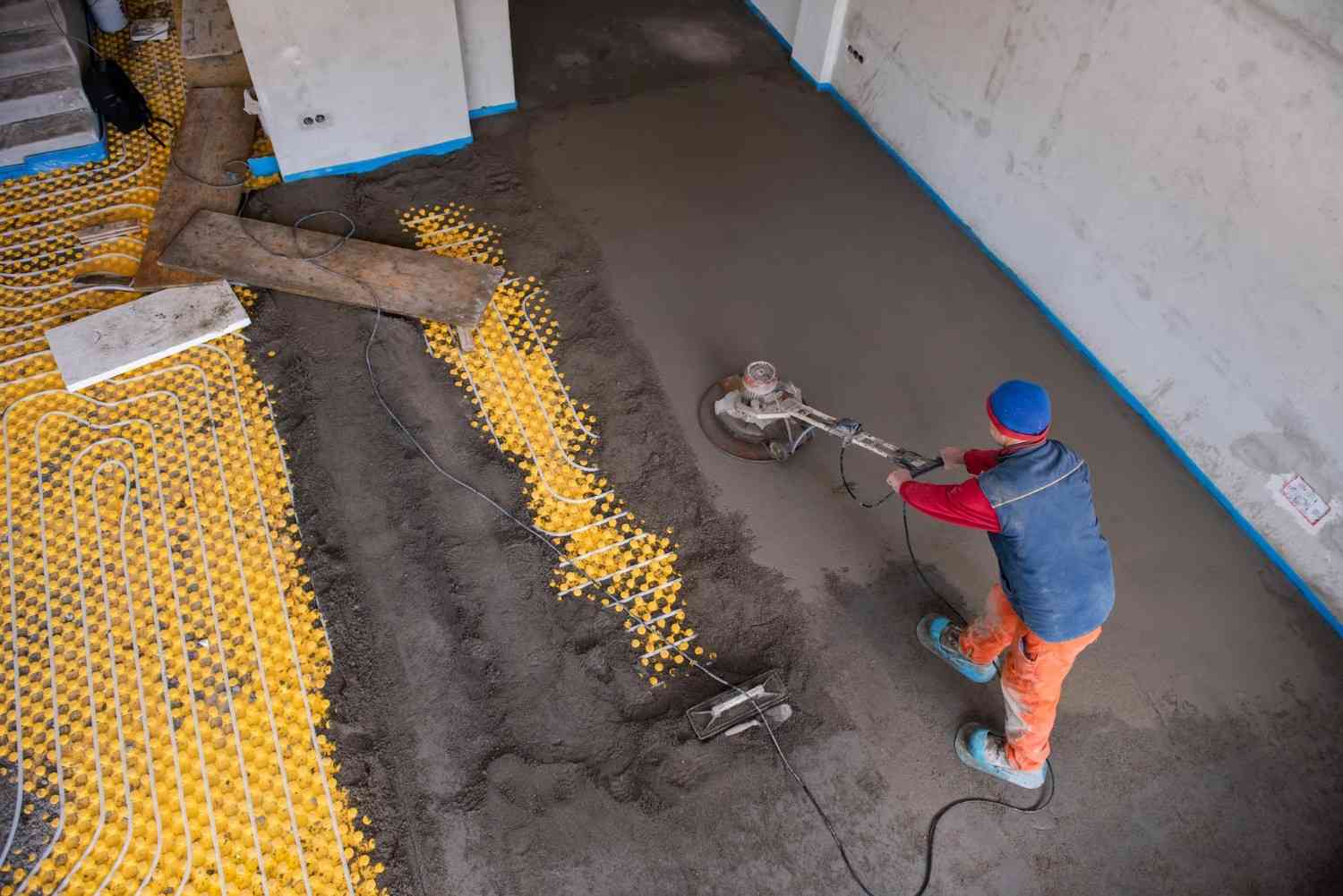
The final floor covering also affects how dry screed needs to be before installation.
For example:
Always check moisture readings before installing the final floor finish.
The surface appearance alone is not a reliable way to judge whether screed is fully dry. A screed surface may look solid while still containing moisture underneath.
The most accurate method is a professional moisture test, such as a carbide bomb test or hygrometer measurement.
Signs that screed may be ready include:
Testing before installation helps prevent expensive flooring problems later.
Yes, drying time can sometimes be reduced by improving site conditions, but rushing the process can affect the final quality.
Some ways to encourage faster drying include:
Avoid applying heat directly onto fresh screed, as this can cause uneven drying and surface damage.
Most floor screeds can support light foot traffic after around 24 to 48 hours, depending on the type of screed and installation conditions.
However, walking on the surface does not mean it is ready for flooring installation. The screed may still contain significant moisture and require several additional weeks to fully dry.
Heavy equipment, furniture, and construction activity should be avoided until the screed has developed sufficient strength.
Installing flooring before screed has dried properly can create several issues.
Trapped moisture can cause:
Allowing enough drying time protects the investment made in both the screed and the final flooring.
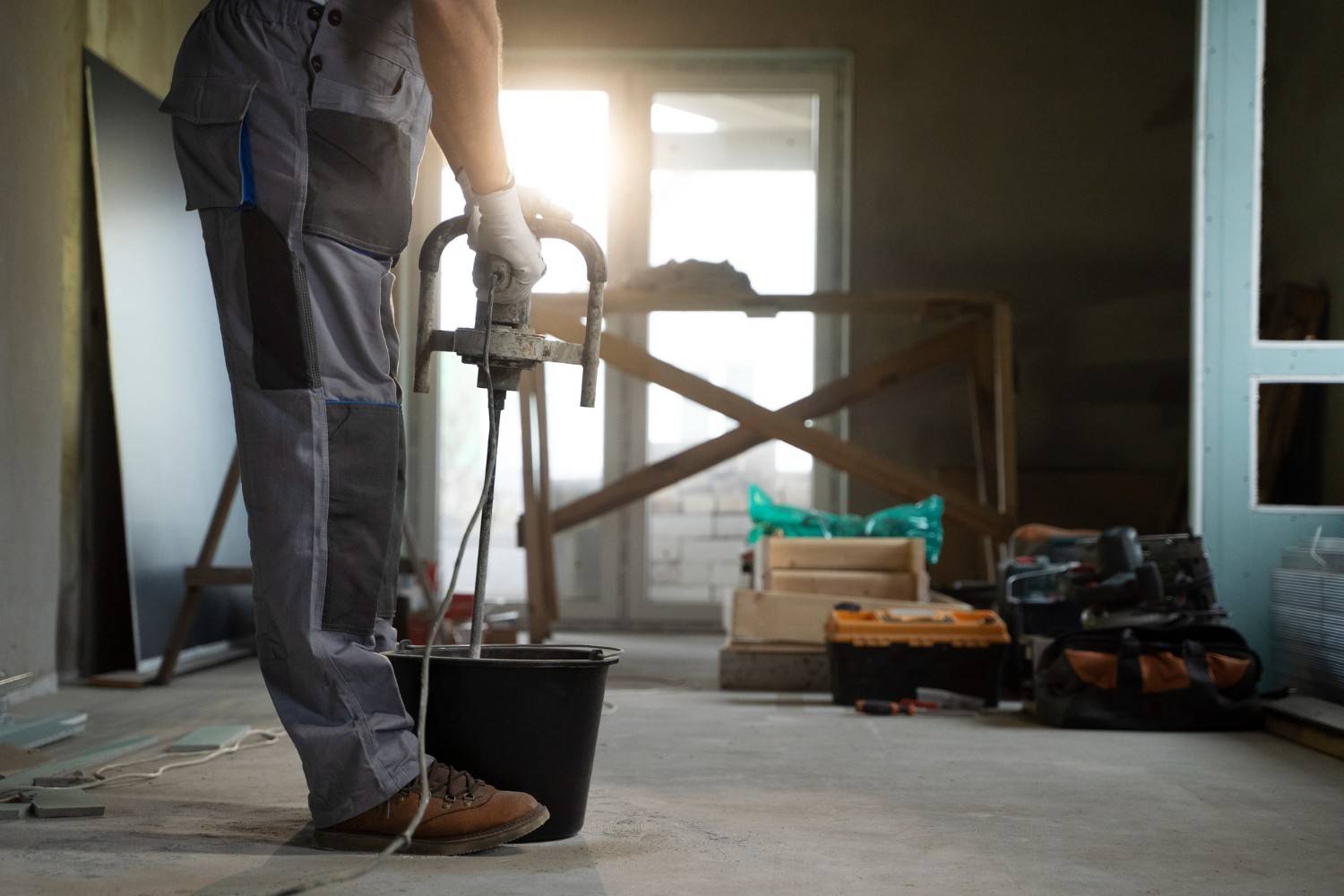
So, how long does floor screed take to dry? In most cases, traditional floor screed requires around one day per millimetre up to 40mm thickness, while thicker applications may need several weeks before they are ready for final flooring.
Drying time depends on factors such as screed type, thickness, temperature, humidity, and ventilation. Proper moisture testing and patience are essential to achieve a strong, stable floor that performs well for many years.
By allowing screed to dry correctly before installing flooring, you can avoid future problems and create a durable foundation for your finished space.
A 50mm traditional floor screed can take around 6 to 8 weeks to dry properly under suitable conditions. The exact time depends on temperature, ventilation, humidity, and the type of flooring being installed.
Yes, most floor screeds can usually be walked on after 24 to 48 hours, but this does not mean they are fully dry and ready for flooring installation.
Underfloor heating can help speed up drying when used correctly after the recommended curing period. Turning on heating too early can damage the screed and cause cracking.
Installing tiles before screed has dried properly can trap moisture, which may lead to adhesive problems, loose tiles, and long-term flooring damage.
The most reliable way to check screed dryness is through a professional moisture test. Visual checks alone cannot confirm whether the internal moisture levels are suitable for flooring installation.