A concrete pump operates by drawing concrete into its hopper and transferring it through pipes or a boom arm under hydraulic pressure. This process enables fast and precise delivery of concrete, even in places that can hardly be accessed with traditional delivery methods.
Understanding how a concrete pump works is useful for individuals involved in the construction industry, including contractors, property developers, and owners of premises under construction. In this guide, we’ll explain how a concrete pump works, its main components, the different types available, and the benefits they offer for construction projects.
A concrete pump is a specialised tool that is designed to transfer freshly mixed concrete from a mixer truck or batching plant to the exact location where it needs to be poured. This machine streamlines the process, allowing concrete to be deposited faster and more smoothly than manual methods.
Concrete pumps are in high demand for residential, commercial or infrastructure construction. They are commonly used for foundations, slabs, bridges, tunnels and skyscrapers. By reducing labour, concrete pumps help enhance productivity and ensure consistent concrete placement.
These pumps are ideal for sites with limited access or projects that require large volumes of concrete. They make it possible to pour concrete more efficiently into hard-to-reach areas, such as basements or upper floors of a building and other tricky locations without worrying about accessibility.
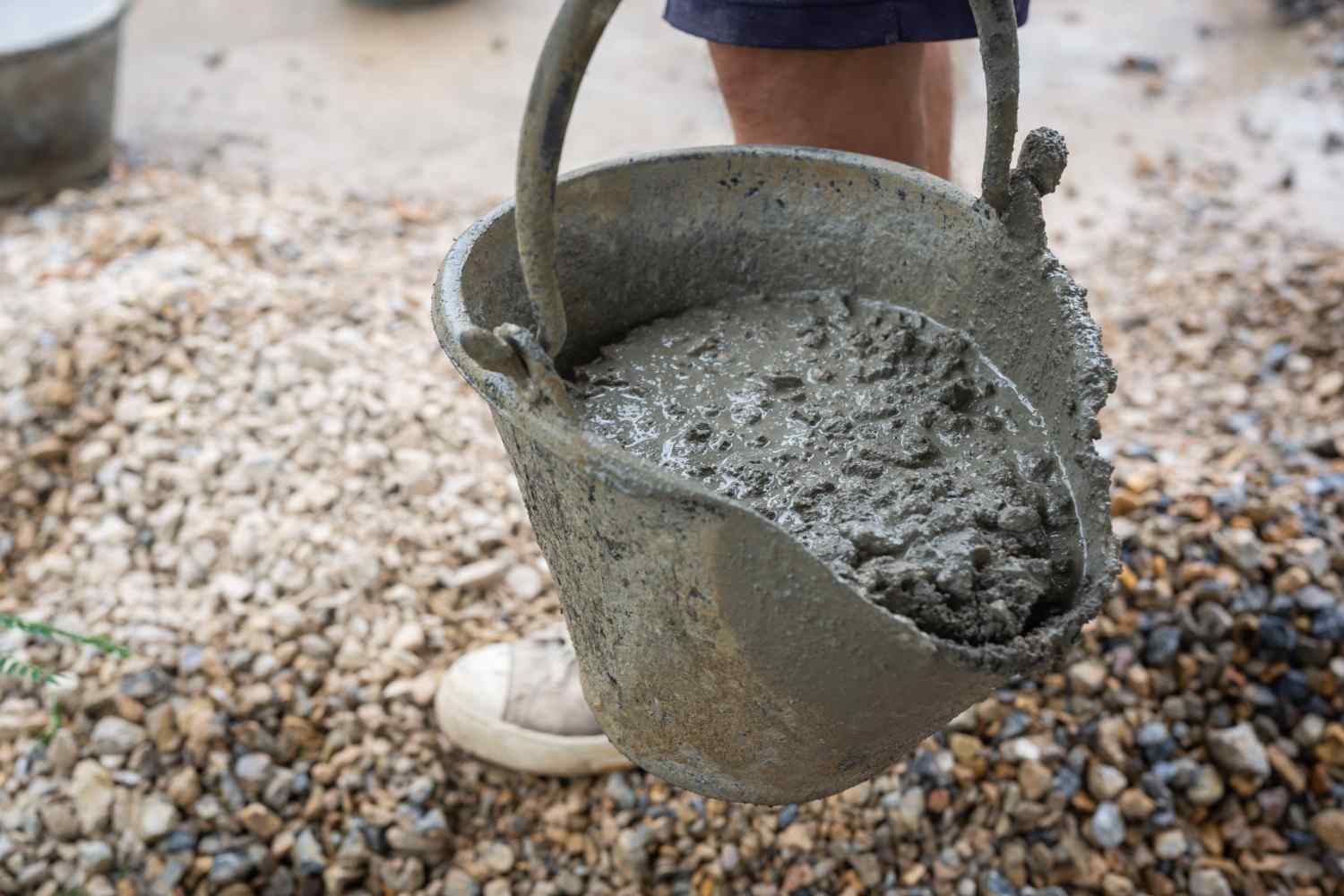
The pumping concrete process begins when the concrete that has just been mixed is poured into the pump hopper from a mixer truck. The hopper stores the concrete temporarily before it goes into the pumping cylinders. In order to keep the concrete always moving and to prevent it from hardening before pumping takes place, an agitator is used inside the hopper.
Once the concrete enters the pumping system, hydraulic cylinders generate the pressure required to move it forward. The S-valve, or similar valve system, is needed for controlling the movement of concrete from the hopper into the pumping line but also to maintain the continuous flow of concrete.
After pressure is created, the hydraulic pressure pushes the concrete through steel pipes or flexible hoses to reach the required pouring location. Depending on the equipment used, it can either work with a line pump or a placing boom to reach the correct position.
This whole system helps to deliver concrete quickly, safely, and precisely over distant horizontal distances into foundations or hard-to-reach areas.
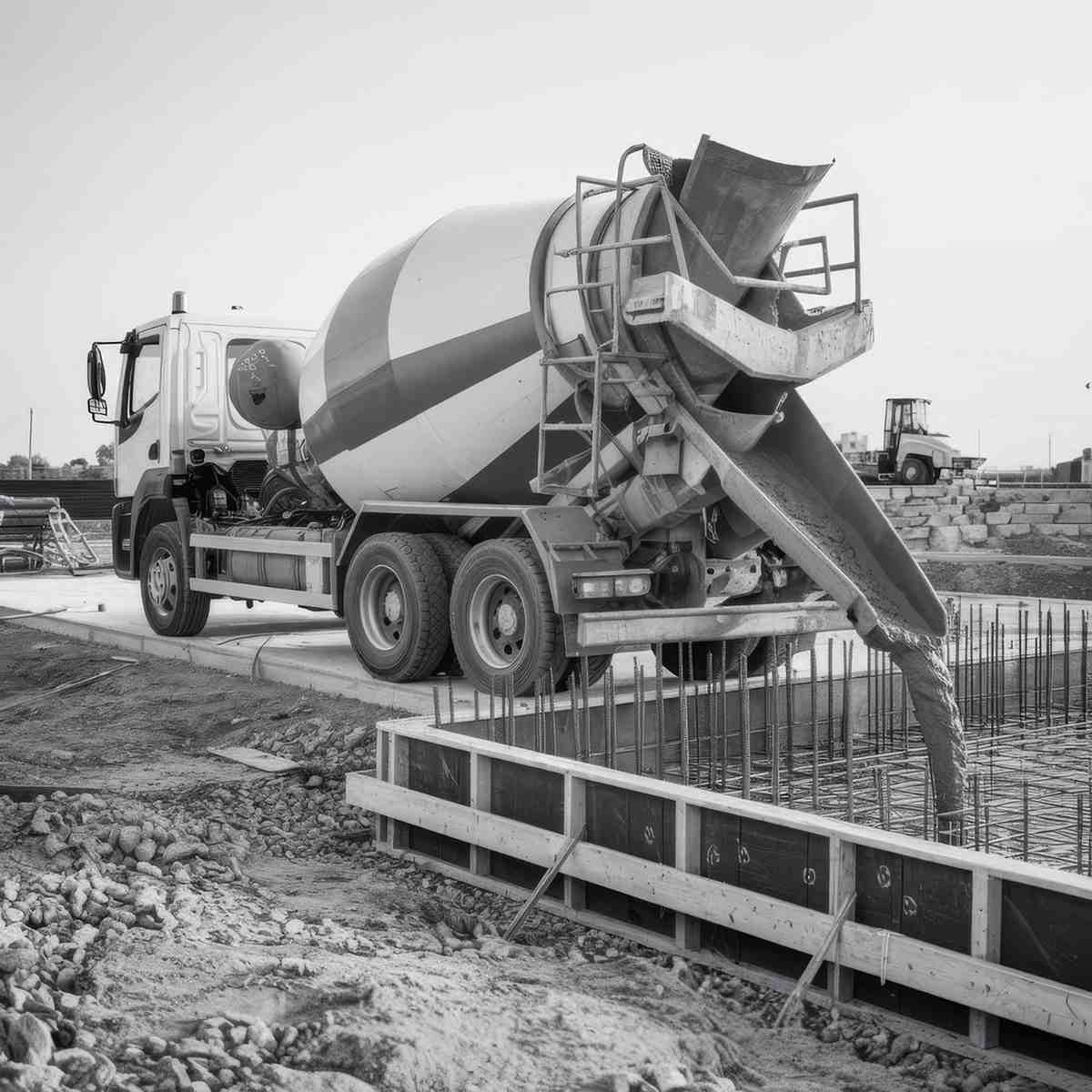
Boom pumps are truck-mounted concrete pumps equipped with a hydraulic robotic boom that places concrete accurately from an elevated position. These pumps are used for large commercial projects, bridges, skyscrapers, and major construction works where speed, reach, and high-volume placement are important.
Line pumps can transfer concrete through a flexible hose and are best for smaller residential construction jobs, such as driveways, patios, footings, swimming pools and home extensions. These pumps are small and easy to operate on job sites with limited access.
Shotcrete utilises high-pressure pumps to ensure steady pressure for projects such as structural support and slope stabilisation. The pumping of these pumps needs precise control and durable parts to manage thick, high-pressure mixes.
The right concrete pump depends on the type of construction project, the amount of concrete required, the distance from the pump site to the area of placement, and whether the job site is accessible. A professional supplier can assess the site and suggest the best pump for safe and efficient placement.
To understand how a concrete pump works, let’s look at its main components.
Concrete pumping speeds up construction by allowing continuous placement of concrete with fewer interruptions.
Direct placement of concrete reduces material waste and manual handling. This contributes to better precision and decreases the number of people required for manual movement.
Concrete pumps can reach areas that cannot be reached by conventional means. Whether working indoors, at height, or around obstacles, these pumps provide greater flexibility and safety compared to traditional methods.
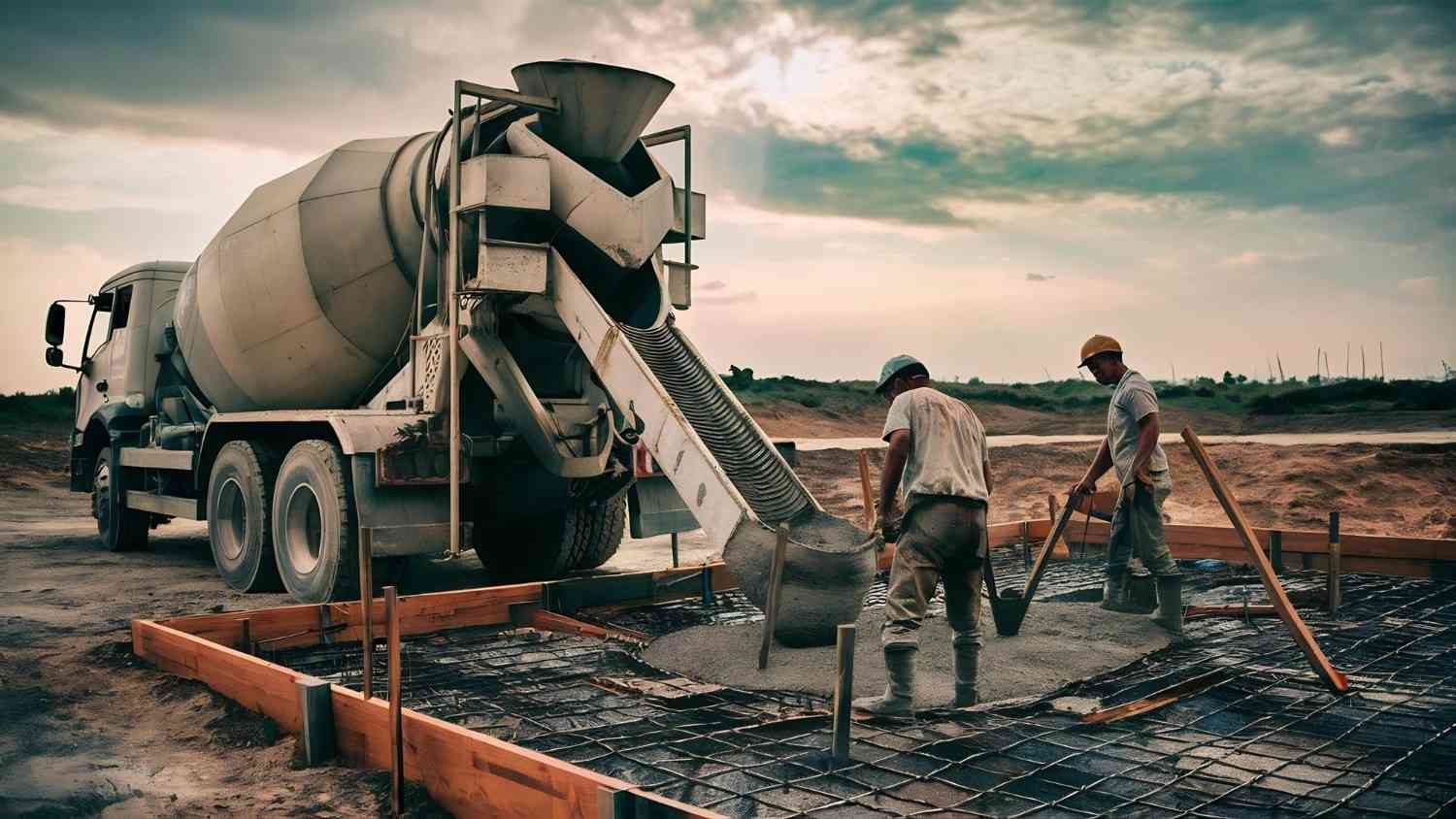
Blockages are one of the major problems in concrete pumping. The use of an adequate mix design, ensuring adequate pumping speed, and cleaning after every use will reduce the chances of blockages.
The hopper, delivery pipes, and pumping system should be cleaned after the completion of each project. Regular inspection of hoses, hydraulic parts, and wear parts can help prevent mechanical defects and sudden breakdowns.
The operator should inspect the equipment before use to ensure everything is in working order. It is key to verify that hoses are securely connected and to follow the manufacturer’s instructions. Proper maintenance not only improves performance but also increases the lifespan of the machinery.
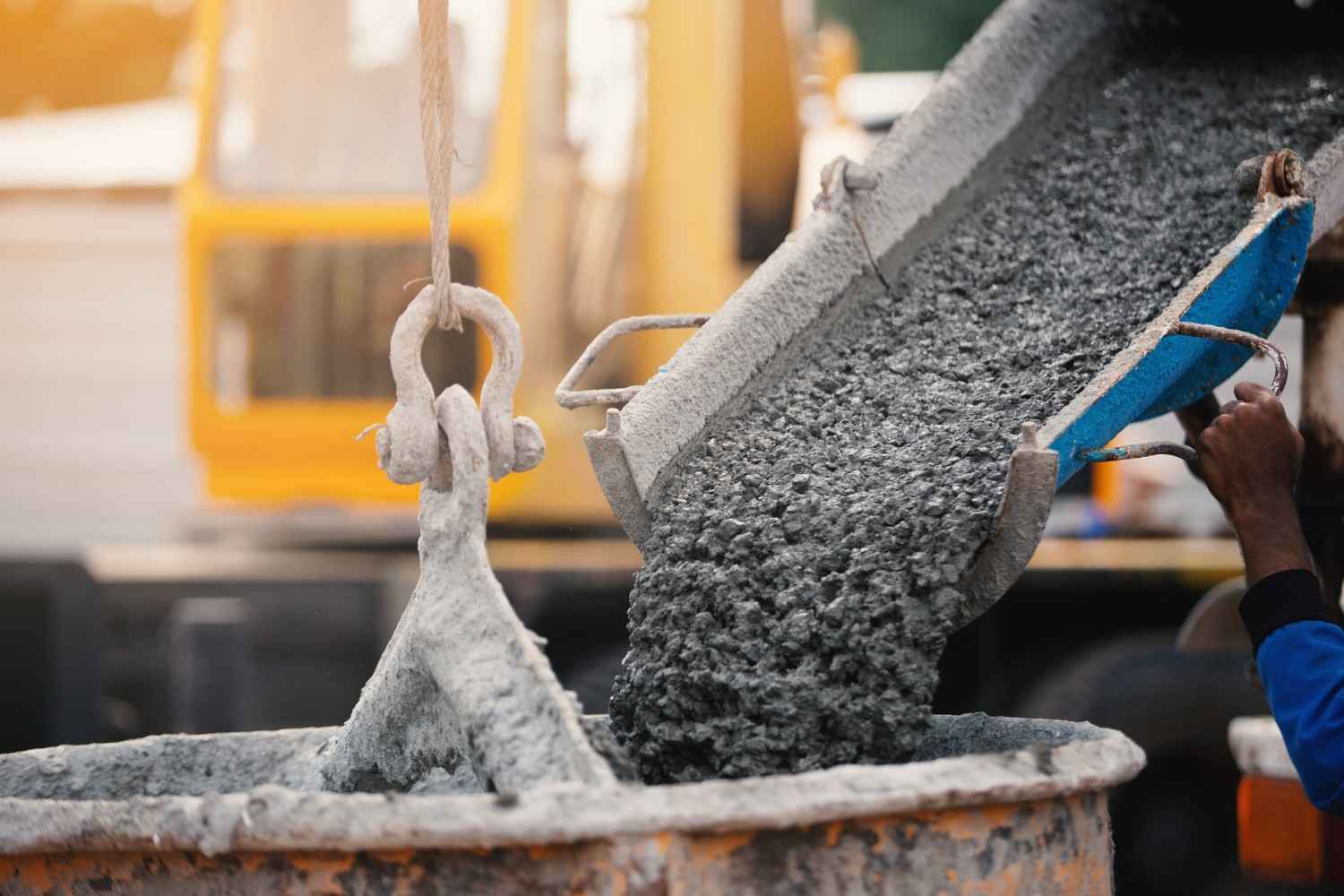
The invention of concrete pumps has revolutionised the entire process of concrete placement at a construction site by making it easier, safer and faster. Using a hydraulic pumping system, they efficiently move concrete through pipes or boom arms, allowing contractors to complete projects faster and more accurately.
Whether you’re working on a residential driveway, commercial development, or major infrastructure project, choosing the right type of concrete pump is essential for efficient and reliable concrete placement. By understanding how concrete pumps work, you can plan your project more confidently.