
Concrete is classified into different grades based on its compressive strength, which is calculated in Newtons per square millimetre (N/mm²) or in megapascals (MPa) after curing it for 28 days. The letter “C” in grades followed by a number tells us the compressive strength of the concrete. Such as C25 means that the concrete has a compressive strength of 25 MPa. The proportions of the concrete mix, like the ratio of cement, water, sand and aggregates, are different in various grades. These grades make sure that the contractors, engineers or architects can select the most suitable concrete mix according to their needs.
The strength of the concrete can directly affect its performance. The numbers that are used after the C show its total compressive strength after curing it for 28 days under favourable conditions. These numbers can indicate how much pressure the concrete can withstand. The higher number indicates concrete’s high load-bearing capacity, while the smaller numbers show low load-bearing capacity. The strength of the concrete depends on the following:
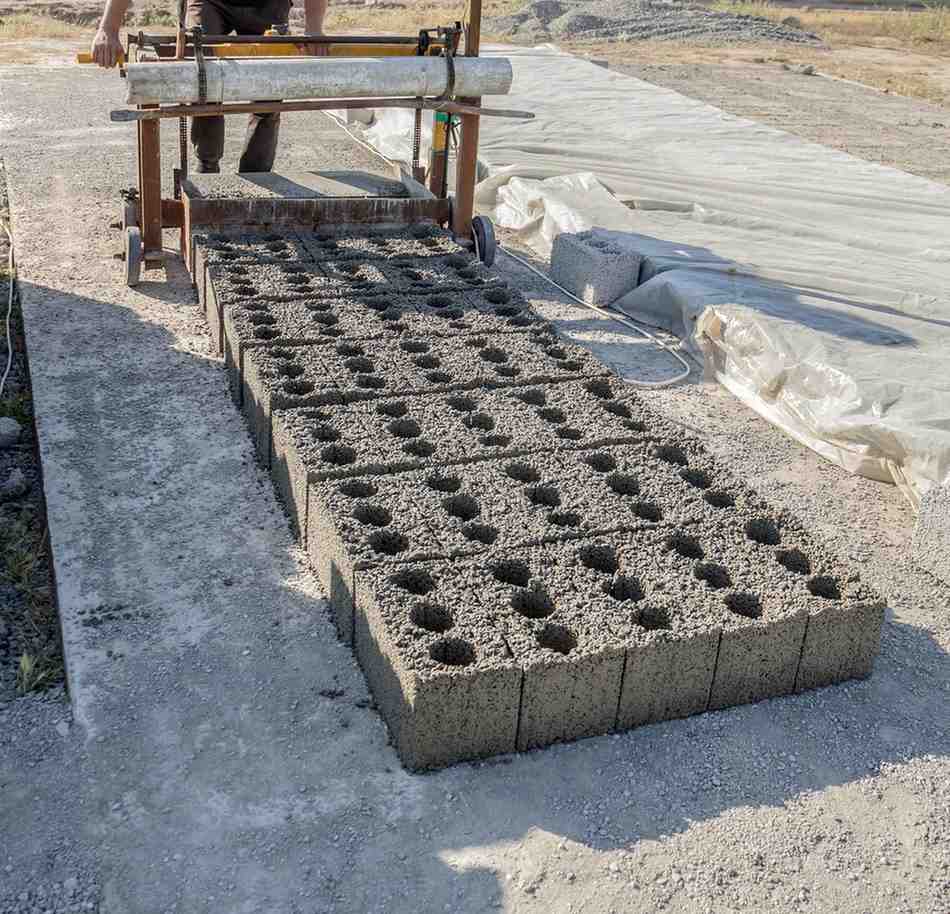
Here are some common concrete grades that are commonly used in construction projects.
This grade means that the concrete’s compressive strength is 10 N/mm² in cylinder or 15 N/mm² in cube form. C10/C15 grade concrete is lightweight and exhibits extremely low bearing capacity. That is why it is only used for patio slabs, blinding layers beneath foundations, kerbing and other non structural applications.
This grade can be used for internal floor slabs, like in outbuildings, light domestic surface for single-storey structures, garden retaining walls or in the drainage work. It is stronger than C10/15 grade concrete, but is not suitable for heavy structural work. Its strength is 15 N/mm² in cylinder or 20N/mm² in cube.

This concrete grade is most suitable for various domestic construction projects. It can be used in residential foundations where the design load is not very high. This includes garage and workshop floors, domestic driveways, warehouse floors, or internal floor slabs. The strength of this grade in the cube is 25 N/ mm², or in a cylinder, it is 20 N/mm².
C25 possesses high load-bearing capacity, with a strength in the cylinder 25N/ mm² or in the cube of 30N/ mm². It is mainly created for general construction purposes and is applicable in many commercial and residential buildings. This concrete grade is the best choice for almost all residential projects.
C30 concrete is highly demanded for commercial projects due to it’s high compressive strength. It is used in commercial building foundations to support heavy loads. It is also highly suitable for industrial floors, roads and pavements for providing support to the heavy vehicle traffic. Its strength in the cylinder is C30N/ mm², or in the cube is 37N/ mm². It is mainly used in commercial settings.
C35 and C40 both concretes have more strength and have high load-bearing capacity. These can be used in the buildings that are multi-storey, the construction of bridges, marine structures and more. The construction projects that need these grades have to do thorough structural calculations.
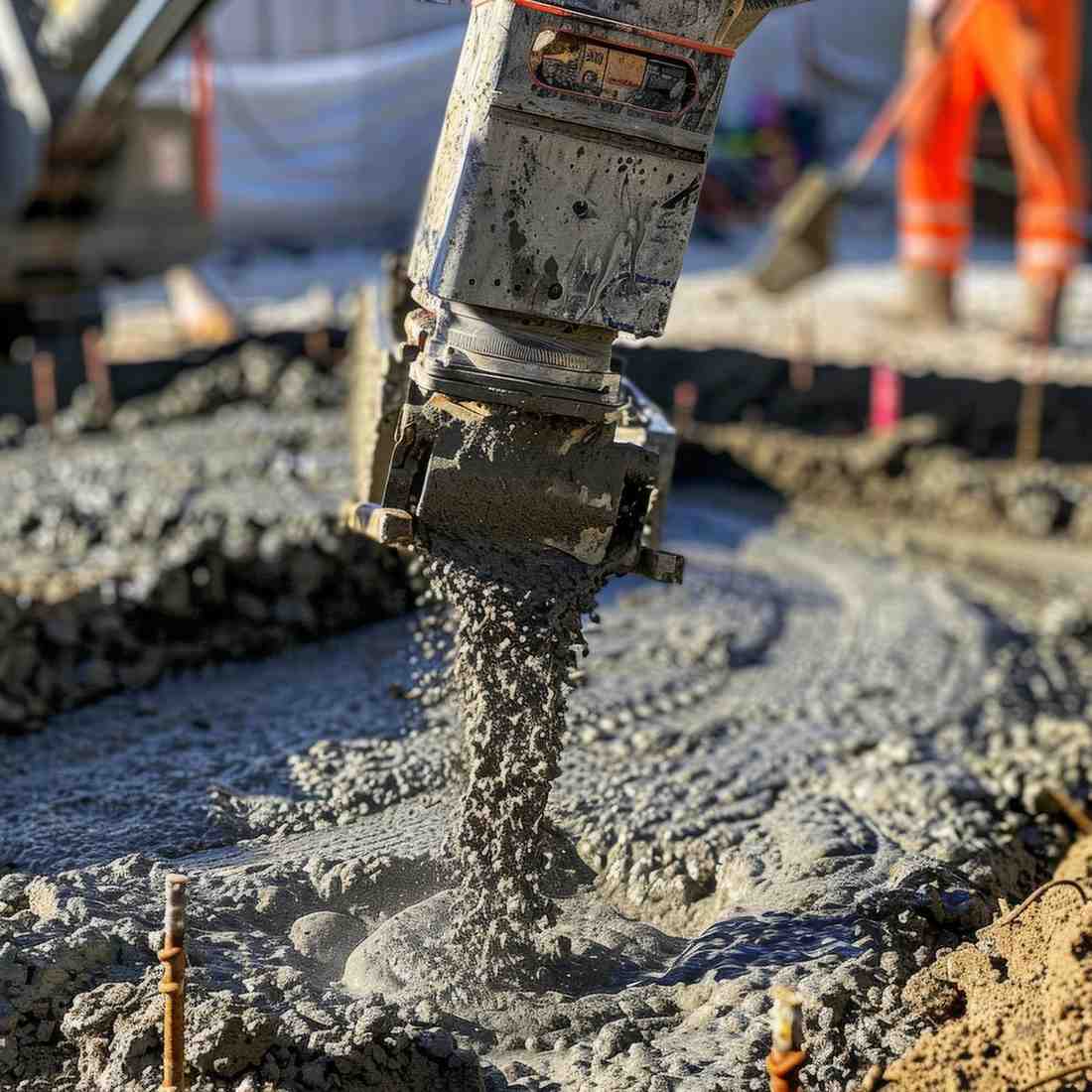
When choosing grades for standard domestic driveways, C25 and C30 are preferable. These concrete grades are sufficient for handling the vehicles and withstanding cracking. If heavier vehicles like vans or motorhomes are expected on the roads, then C30 is the best choice.
For garden paths and patios, C20 is an ideal choice. This concrete grade bears the load of foot traffic and outdoor furniture, but is not preferred for heavy structural work.
Shed bases mainly use C20, but if your garage floors are expected to handle the heavy weight, then select the grade C25 or C30 for your floors.
The most common choice for domestic structural work is C20 or C25. But the exact choice depends on the project’s needs; if you’re not sure about the concrete grade, confirm it with your builder or engineer.
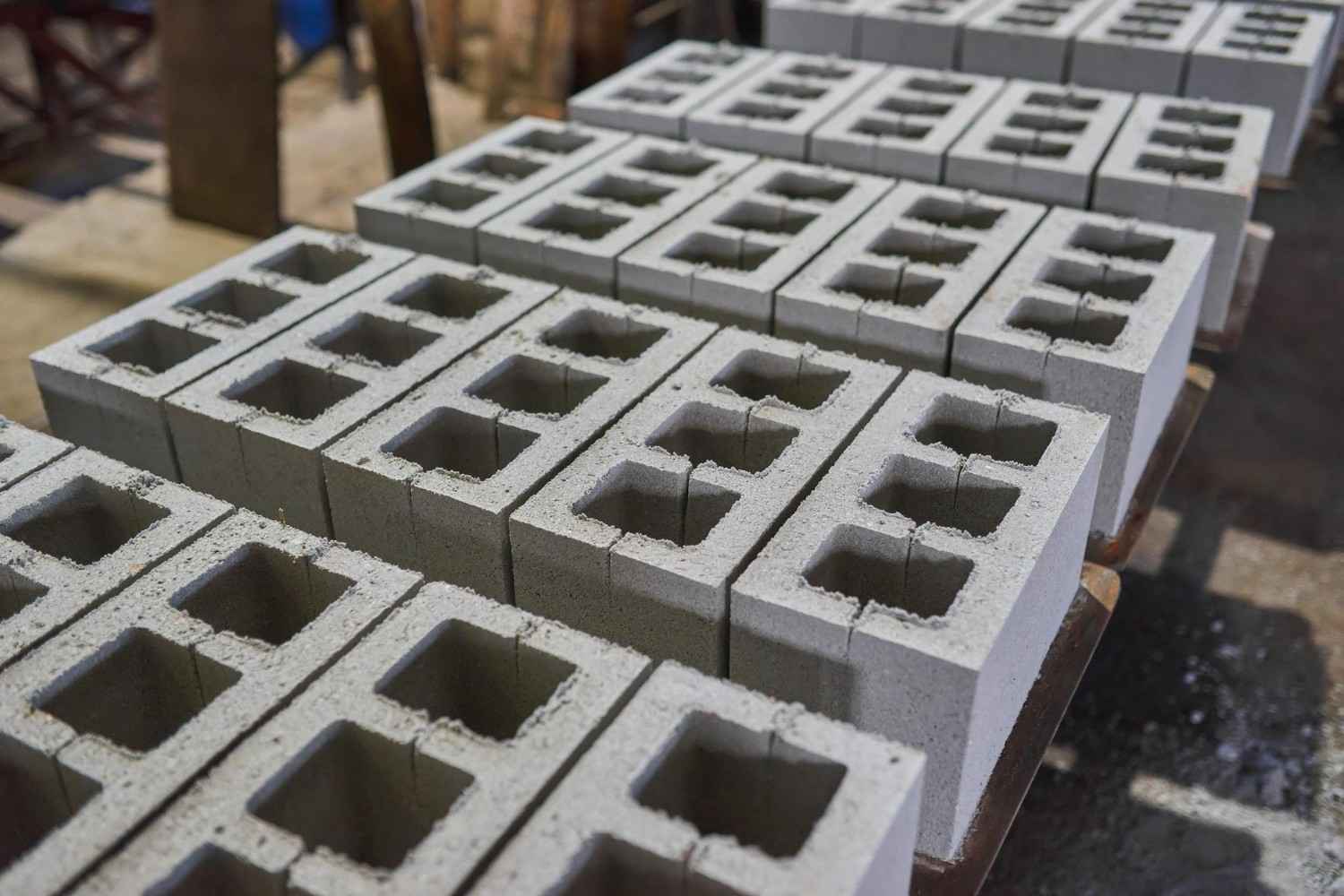
Selecting the right concrete grade is not complex when you know your project’s load requirements. Whether you need it for building a patio, highway, or foundation, the main step is to balance the strength with longevity. Proper selection from lightweight concrete C10 for garden paths to structural high load-bearing grades C40 for heavy commercial construction work ensures safety, structural integrity, and increases its lifespan.